


Making Easter Safe for Cats

September 29, 2026

Taking An In-Depth Look Into Easter Hazards For Cats And How To Keep Your Cats Safe From Them


The Easter holiday is nearly here! While Easter is known for bringing families together, it also brings several things that are hazardous to cats. This includes things like candy, chocolate, Easter dinner table scraps, and more! This article will take an in-depth look into Easter hazards for cats and how to protect your cats from them.


Easter Chocolate


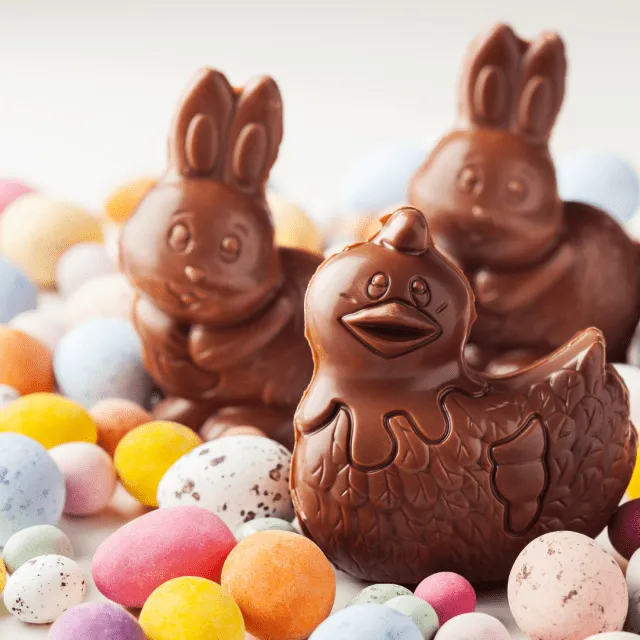
One of the most iconic Easter traditions is gifting others with Easter chocolate. This often comes in the form of chocolate bunnies or chocolate eggs. While chocolate is delicious to people, it is very toxic to cats. This is because chocolate contains both caffeine and a chemical called theobromine. According to VCA Hospitals, both of these can’t properly be metabolized by cats. If consumed in large amounts, it can be fatal to cats.


Furthermore, we recommend keeping all Easter chocolate out of your cats’ reach. This includes keeping it on a high shelf or storing it in a locked cabinet. Additionally, always supervise children when they are handling Easter chocolate. They could accidentally leave some lying around for your cat to have access to. 

Easter chocolate

Easter Candy 


Another common tradition during Easter is the gifting of Easter candy. While this is usually geared towards kids, adults often partake as well. However, candy is very unhealthy for cats. This is because most candies contain artificial sugar and a chemical compound called xylitol. Both of these ingredients can’t be properly metabolized by cats. 


Additionally, candy can have bad side effects on your cats such as vomiting, diarrhea, restlessness, lack of appetite, and lethargy. Therefore, always keep Easter candy out of your cats’ reach. Keep all Easter candies on a high shelf or locked away in a cabinet. Also, supervise children when they are handling candy so they don’t accidentally give your cats candy or leave it lying around for your cats’ to accidentally eat. 

Should your cat consume chocolate or candy, contact your veterinarian immediately. Also, you can contact the Pet Poison Helpline for further assistance. Their phone number is 855-764-7661. An $85 incident fee applies.


Chocolate & Candy Wrappings


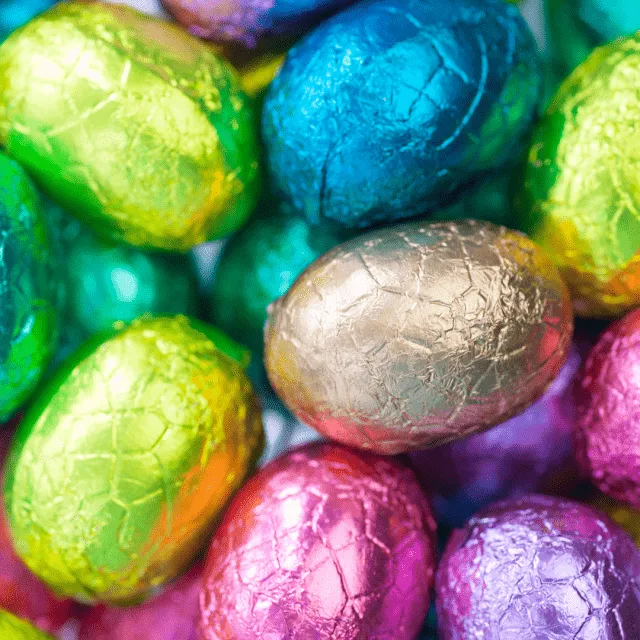
It’s not just the candy and chocolate you have to worry about, but the material it’s wrapped in as well. When cats get into Easter candy and chocolate, they usually don’t bother to separate the wrappings. Instead, they eat it all together. This can be very problematic and dangerous for your cats. 


Typically speaking, most candy wrappings are made out of plastic, aluminum, or cellophane. All of which can’t be properly digested by cats. In many cases, these wrappings can get stuck along a cats’ digestive tracts and potentially obstruct their digestive system. This can be life-threatening if not treated shortly after consumption. 


Even after the candy and chocolate has been eaten, be mindful about the wrappings. Always throw them away immediately and don’t leave any lying around for your cats to eat or play with. 

easter candy wrapings

Easter Family Dinner


Many families make it a point to have an Easter family dinner on or around Easter. While this Easter tradition brings together friends and family, it also poses some health risks to your cats. Some cats are exceptionally good at begging for food. As a result, they often will be given table scraps. Table scraps are not healthy for cats.


Most foods that we eat contain spices and/or artificial ingredients that cats can’t properly digest. This can lead to symptoms like diarrhea, vomiting, and abdominal pain. If you’re hosting Easter family dinner or bringing your cats to an Easter family dinner, make it clear to everyone there that your cat is not to be given table scraps. No matter how cute they are, it’s in their best interest to not be given any table scraps.


Easter Decorations


Lastly, it wouldn’t be a holiday without some festive holiday decorations. Like most other holidays, Easter decorations pose a big risk to cats. Whether it’s lights, plants, plastic eggs, or the fake grass in Easter baskets, keep them out of your cats’ reach. Most Easter decorations are pretty and colorful which may attract your cats’ interest.


Keep all Easter decorations on high shelves or hung high enough on the walls where your cats can’t reach them. Also, consider utilizing more outdoor decorations instead. This will make them less accessible to your cats and reduce the chances of them breaking, chewing, or eating them.

Easter decorations

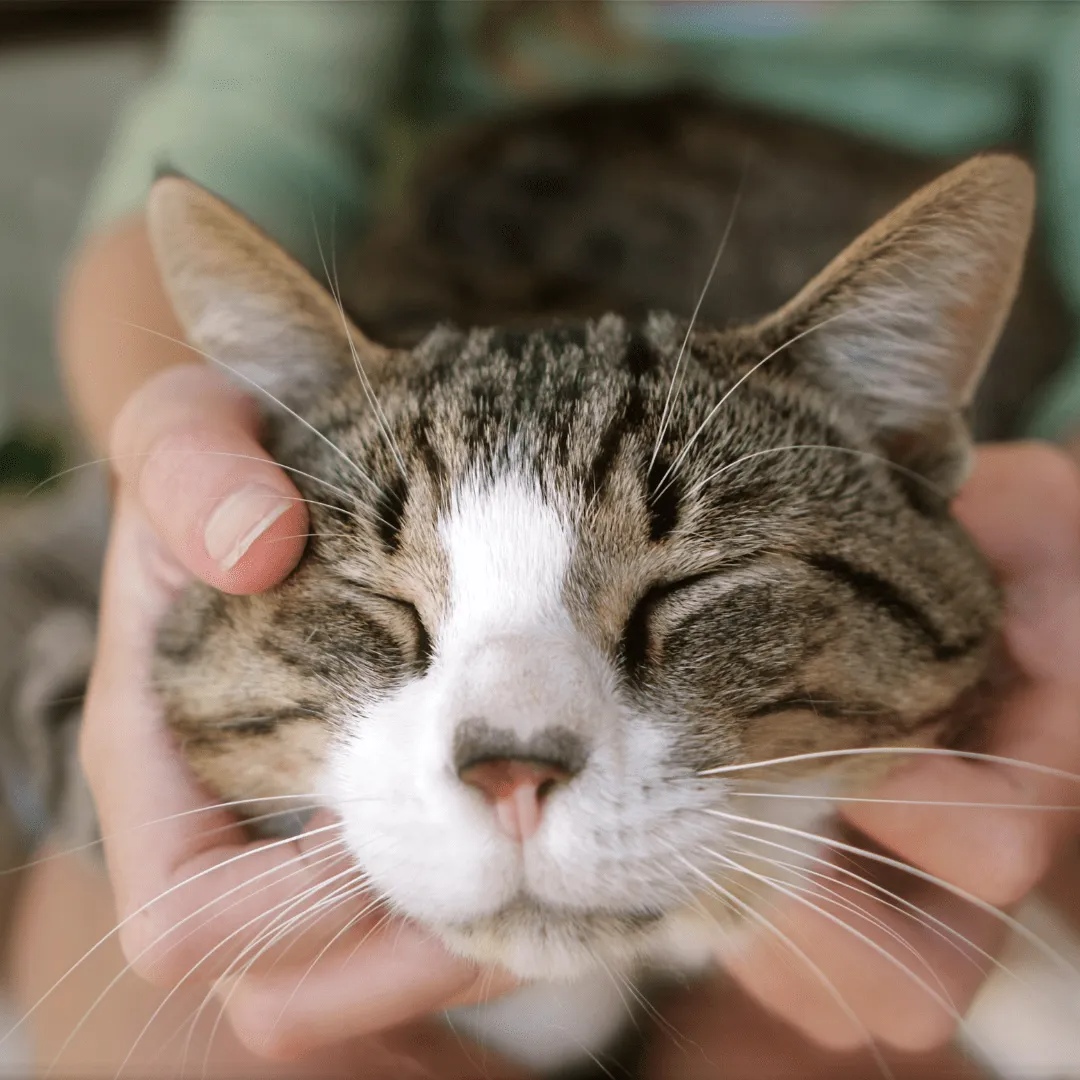
Tabby cat with closed eyes being gently held by hands, close-up portrait
September 29, 2026
Talking About How To Make Cats Happy And The Month-Long Holiday That Promotes Cat Happiness The month of September is celebrated by cat lovers everywhere as Happy Cat Month! Never heard of Happy Cat Month? Then you’re in luck because Cool Cats Professional Cat Sitting has you covered! This article will cover everything you need to know about Happy Cats Month, how to celebrate it, and some of the best ways to keep your cat happy. What Is Happy Cat Month? So what is Happy Cat Month? Happy Cat Month is a month-long holiday that aims to inform and educate cat owners about how to make their cats healthy and happy. It’s a common misconception that cats are self-sufficient pets. While most cats do have an independent nature, they are still very social creatures. Cats need lots of love & attention just like any other pet. Happy Cat Month is a friendly and celebratory way to educate people about the welfare, health, and importance of our feline friends.
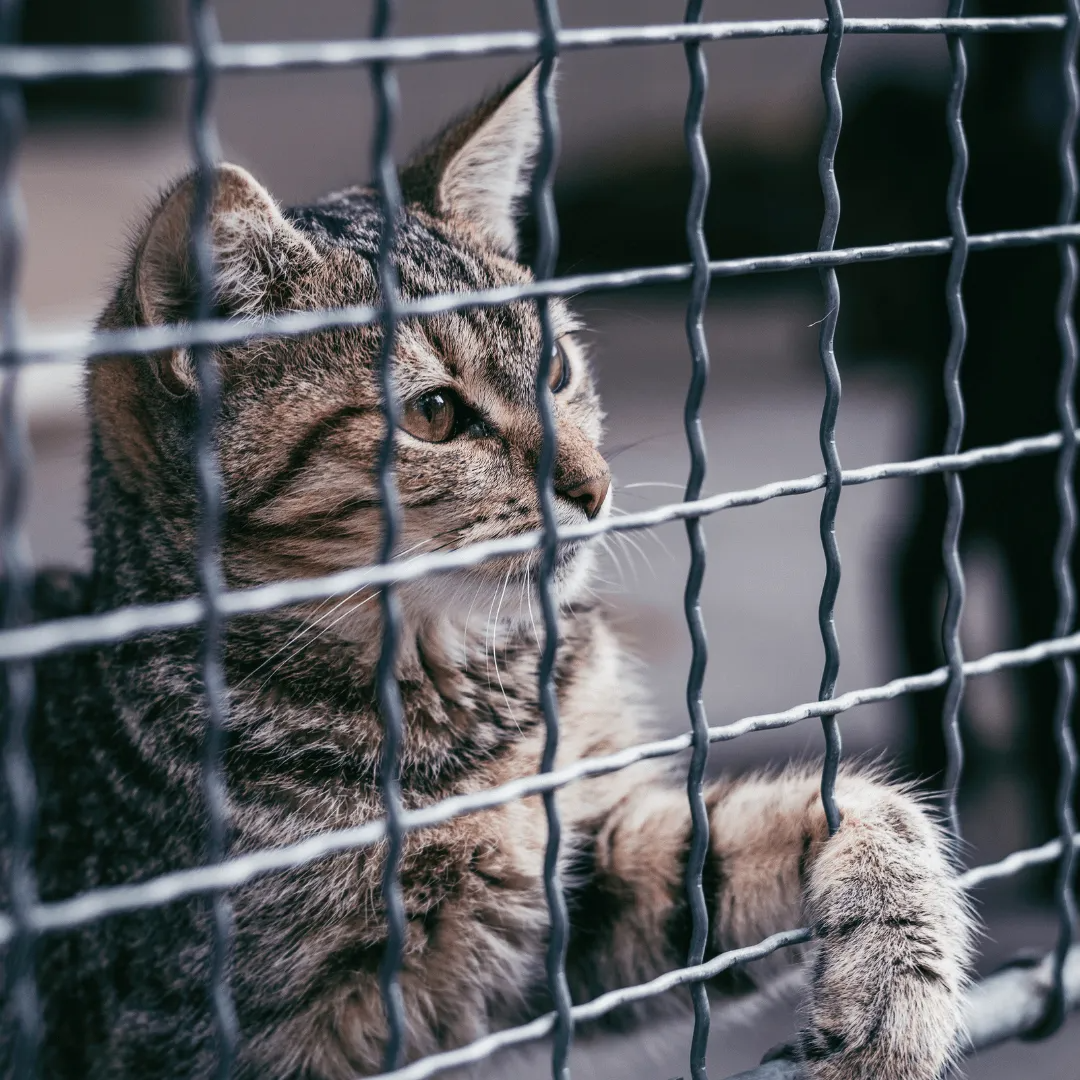
A wildcat behind a wire fence, looking through the bars with one paw raised.
September 29, 2026
Covering Two Very Important Pet-Themed Holidays That Focus On Shelter Animals And The Struggles They Face The month of September contains several pet-themed awareness based holidays. Two of the most significant of these holidays are Adopt A Less Adoptable Pet Week and Remember Me Thursday. Both of these holidays are centered around shelter animals and the struggles they face. This article will discuss both of these holidays and offer various ways you can observe them. Adopt A Less Adoptable Pet Week The 3rd week of September is widely celebrated by pet lovers everywhere as Adopt A Less Adoptable Pet Week. This year (2023) Adopt A Less Adoptable Pet Week takes place from September 18th to September 24th. This week-long holiday was founded by PetFinder , an online searchable database of animals that need homes. Additionally, PetFinder also has a directory of nearly 11,000 animal shelters and adoption organizations. These animal shelters and adoption organizations span across the U.S., Canada, and Mexico. Adopt A Less Adoptable Pet Week was founded to raise public awareness about shelter animals that are often overlooked. Most of these animals are overlooked based solely on appearance. However, just because an animal doesn’t look perfect, doesn’t mean they are not worthy of adoption. Additionally, this also applies to senior pets or pets with special needs. Many people believe it would require too much effort to care for a senior pet or special needs pet. Caring for these types of pets may not be easy, but it is still very rewarding and humbling to do so. Remember Me Thursday Remember Me Thursday occurs every year on the last Thursday of September. This year (2023) it will take place on September 28th. This pet themed awareness based holiday was founded in 2013 by Helen Woodward Animal Center of San Diego . The focus of Remember Me Thursday is to raise awareness about the importance of pet adoption and all of the shelter animals that are in need of a forever home. Remember Me Thursday has made a huge impact in the world since its founding in 2013. More than 190 countries have supported Remember Me Thursday along with over 700 different animal welfare organizations worldwide. Additionally, more than 330 million people have helped spread awareness about Remember Me Thursday across various social media platforms. What started as a pet-themed holiday has now become a worldwide movement to inspire change in shelter animals’ lives.