

Managing Cat Allergies In Summer

Cheui Rulona • September 25, 2026

Summer in Apex, North Carolina brings long days, warm evenings, and higher humidity. But for many cats, summer also brings a different problem: seasonal allergies and skin issues. Just like humans, cats can develop allergies to pollen, grass, mold, dust, and other environmental triggers that peak during warmer months.


At Cool Cats Professional Cat Sitting, we see cats struggling with allergies throughout July and August. Some cats scratch constantly. Others develop red patches, hair loss, or greasy skin. A few stop grooming altogether because their skin is too sensitive. These signs can be frustrating for pet owners, but understanding what’s happening and how to help makes everything easier.


This guide will walk you through summer allergy symptoms in cats, common triggers in our Triangle area, and practical steps to keep your cat comfortable during allergy season.


Signs Your Cat Has Summer Allergies.

Signs Your Cat Has Summer Allergies.

Cats don’t tell us when they’re itchy or uncomfortable. They show it through behavior and physical changes. Watch for these common signs:


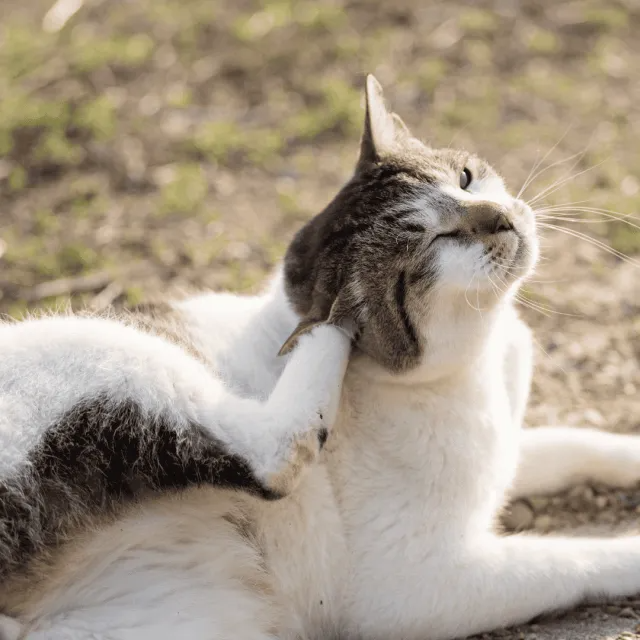
  • Excessive scratching, licking, or biting: Especially around the neck, ears, belly, and legs
  • Red patches or inflamed skin: Small areas that look irritated or raw
  • Hair loss: Patches where your cat has over-groomed or scratched
  • Greasy or crusty skin: Skin that feels oily, flaky, or covered in small bumps
  • Sore ears: Ears that are red, warm, or have dark discharge
  • Paw chewing: Cats often lick their feet when allergic
  • Hives or small bumps: Tiny raised spots on the skin
  • Changes in grooming: Over-grooming or refusing to groom because skin is sensitive
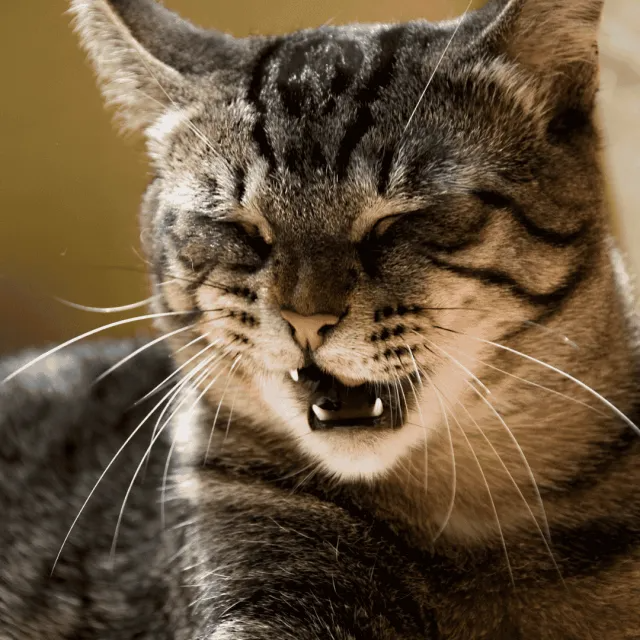
  • Respiratory symptoms: Wheezing, coughing, or sneezing (less common but possible)


If you notice multiple signs, especially if they persist for more than a few days, contact your veterinarian. Skin issues can sometimes indicate infections, parasites, or other health problems that need treatment.


Common Summer Allergy Triggers for Cats


Understanding what’s causing your cat’s allergies helps you manage the problem. Here are the most common summer triggers:


1. Pollen.

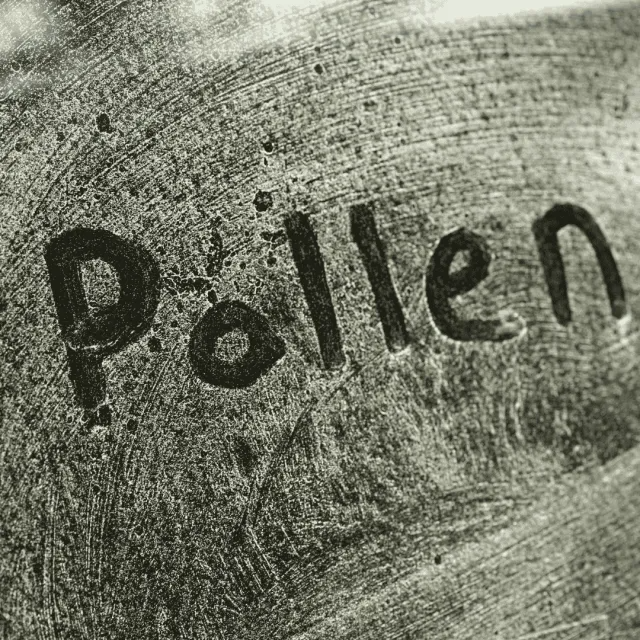
Pollen 2

Spring and summer pollen from trees, grasses, and weeds is a major allergen. In North Carolina, common pollen sources include:


  • Oak, pine, and maple trees (spring)
  • Grass pollen (late spring through summer)
  • Ragweed and other weeds (late summer)


Pollen sticks to your cat’s fur and skin, causing irritation when they lick or scratch themselves.


2. Grass


Cats who go outdoors or spend time on grassy lawns can develop grass allergies. Even indoor cats can be exposed if grass gets on their collar, shoes, or furniture.


3. Mold and Mildew


Humidity increases mold growth in homes, especially in bathrooms, basements, and areas with poor ventilation. Mold spores float through the air and can trigger allergies in sensitive cats.


4. Dust Mites


Dust mites thrive in warm, humid conditions. They live in carpets, upholstery, bedding, and other soft surfaces. Cats who spend time on furniture or in dusty areas may react to dust mites.


5. Fleas


Flea allergy dermatitis is one of the most common skin problems in cats. Even a single flea bite can cause severe itching and skin inflammation in allergic cats. Flea populations peak in summer, making this a critical issue.


6. Contact Allergies


Some cats develop allergies to certain materials, like plastic food bowls, synthetic fabrics, or cleaning products. Summer can increase exposure to these triggers through outdoor activities or new household items.


Diagnosing Cat Allergies

Diagnosing Cat Allergies.

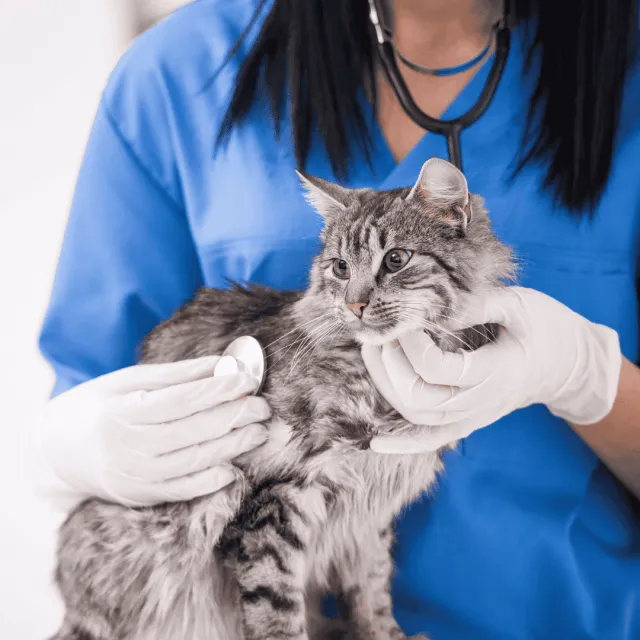
Your veterinarian can help determine if your cat has allergies through:


  • Physical examination: Checking skin, ears, and overall condition
  • Skin scraping: Looking for parasites, infections, or other causes
  • Flea control trial: Eliminating fleas to see if symptoms improve
  • Allergy testing: Blood tests or skin testing to identify specific allergens
  • Diet trial: If food allergies are suspected, a limited-ingredient diet may be recommended


Diagnosis takes time, but knowing the cause helps you manage your cat’s allergies more effectively.


Treating Summer Allergies in Cats


Treatment depends on the severity of your cat’s symptoms and the underlying cause. Your veterinarian may recommend:


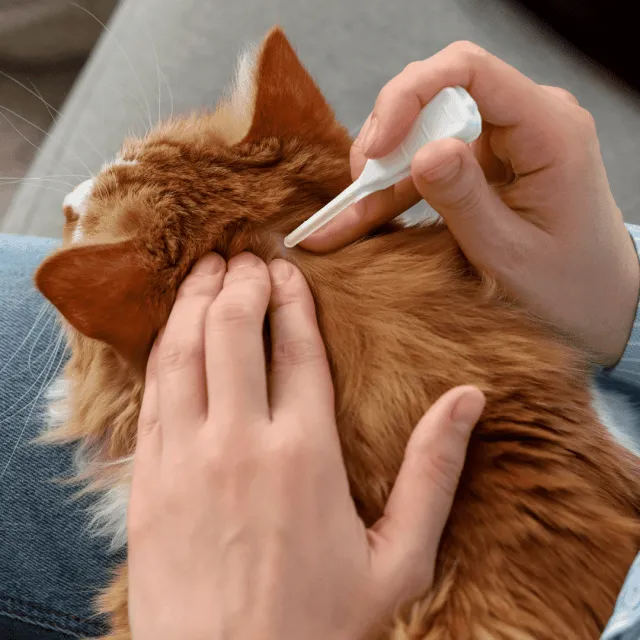
1. Flea Prevention

Flea Prevention

Even if you don’t see fleas, use a vet-approved flea preventive all year. Summer is peak flea season, and flea allergies can cause severe skin problems. To learn more about the various types of flea prevention for cats, click here.


2. Antihistamines or Medication


Some cats benefit from antihistamines like chlorpheniramine or hydroxyzine. Your vet may also prescribe corticosteroids or other anti-inflammatory medications for severe cases.


Never give your cat human medication without veterinary approval. Many are toxic to cats.


3. Topical Treatments


Medicated shampoos, creams, or sprays can soothe irritated skin. Some contain corticosteroids, antibiotics, or anti-fungal ingredients to treat infections.


4. Omega-3 Fatty Acids


Fish oil supplements can improve skin health and reduce inflammation. Consult your vet before starting any supplement.


5. Environmental Changes


Reducing exposure to allergens helps manage symptoms:


  • Vacuum frequently to remove dust and pollen
  • Wash your cat’s bedding weekly in hot water
  • Use air purifiers to clean indoor air
  • Keep humidity below 50% to reduce mold growth
  • Avoid letting your cat roam in heavily pollinated areas


6. Allergy Shots (Immunotherapy)


For cats with severe environmental allergies, your vet may recommend custom allergy shots. These gradually desensitize your cat to specific allergens over time.


Managing Allergies at Home


While your vet handles medical treatment, you can take steps at home to reduce your cat’s discomfort:


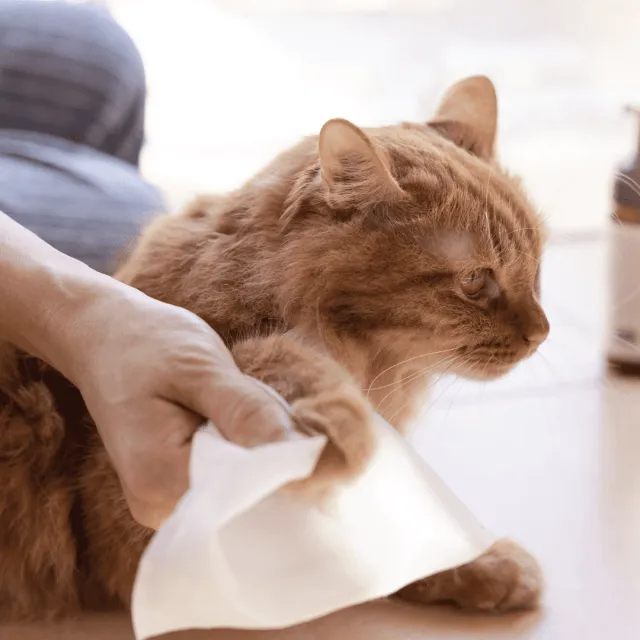
1. Wipe Your Cat Down After Outdoor Time

Wipe Your Cat Down After Outdoor Time

If your cat goes outside, wipe their fur with a damp cloth after they return. This removes pollen, grass, and other allergens before they cause irritation.


2. Keep Indoor Spaces Clean


Dust and vacuum regularly. Use a vacuum with a HEPA filter to capture allergens. Wash curtains, bedding, and soft furniture frequently.


3. Control Humidity


Use a dehumidifier in humid areas of your home. Keep indoor humidity between 30–50% to reduce mold and dust mites.


4. Change Food Bowls


Switch from plastic to stainless steel or ceramic bowls. Plastic can harbor bacteria and cause contact allergies.


5. Limit Outdoor Exposure During Peak Pollen Times


Pollen levels are highest in the early morning. If your cat goes outside, limit outdoor time during peak hours or keep them indoors on high-pollen days.


6. Provide Fresh Water


Clean, fresh water helps your cat stay hydrated and flush out allergens. Change water daily and use a clean bowl.


When Allergies Become Serious

When Allergies Become Serious

Some allergy symptoms require immediate veterinary attention:


  • Open wounds or raw skin: from scratching or biting
  • Thick crusty discharge from ears: may indicate infection
  • Lethargy or not eating: signs of systemic illness
  • Coughing or wheezing: respiratory distress
  • Swelling around face or eyes: possible severe reaction


Don’t wait if your cat shows these signs. Early treatment prevents complications.


How Professional Cat Sitting Helps During Allergy Season


At Cool Cats Professional Cat Sitting in Apex, we understand how allergies affect cats. When you book our services, we:


  • Monitor skin and grooming habits: We check for new red patches, hair loss, or scratching during each visit
  • Notice behavior changes: We alert you if your cat seems unusually uncomfortable or stops grooming
  • Keep your home clean: We vacuum litter areas and clean food/water spots to reduce allergens
  • Follow medication schedules: If your cat needs allergy medication, we administer it exactly as you instruct
  • Send updates with photos: You’ll see how your cat is doing and know if symptoms are improving


Allergies can be stressful for both cats and owners. Professional cat sitting ensures your cat gets consistent care while you’re away, especially during peak allergy season.


Prevention Tips for Future Summers


Once your cat’s allergies are managed, use these tips to prevent future problems:


  • Start flea prevention early: Begin before spring peaks
  • Clean regularly: Dust and vacuum weekly during allergy season
  • Use air purifiers: Run them in your cat’s favorite rooms
  • Monitor pollen levels: Check local forecasts and limit outdoor time on high-pollen days
  • Wash bedding frequently: Clean your cat’s bed and your bedding regularly
  • Visit your vet annually: Regular check-ups catch problems early


Keeping Your Feline Friends Happy & Healthy All Summer

Keeping Your Feline Friends Happy Healthy All Summer

Summer allergies can be frustrating for cats and their owners, but understanding the triggers and treatment options makes management easier. With proper veterinary care, environmental changes, and consistent monitoring, most cats can live comfortably even during allergy season.


At Cool Cats Professional Cat Sitting in Apex, NC, we’re committed to keeping your cats healthy and comfortable year-round, especially when seasonal allergies strike. Contact us today to schedule summer cat sitting visits and give your cat the care they deserve.


Your cat shouldn’t have to suffer through itchy, uncomfortable summers. With the right help, they can enjoy the season without allergy stress.


Ready to Book a Cat Sitter?


Looking for a trusted, experienced pet sitter in your area? At Cool Cats Professional Cat Sitting, we care for your pets as if they were our own, offering the love, comfort, and dependable service every cat deserves. Fully bonded and insured, we provide a wide range of professional pet sitting services tailored to your needs.


We proudly serve Apex, NC (27502, 27523, 27539), Brier Creek (27617), Cary, NC (27511, 27513, 27518, 27519), Chapel Hill (27514, 27515, 27516), and Morrisville, NC (27560). Click here to become a client today or call us at 919-335-3157. Don’t forget to follow us on Facebook and Instagram for adorable cat photos, updates, and pet care tips. We can’t wait to meet your cool cat soon.

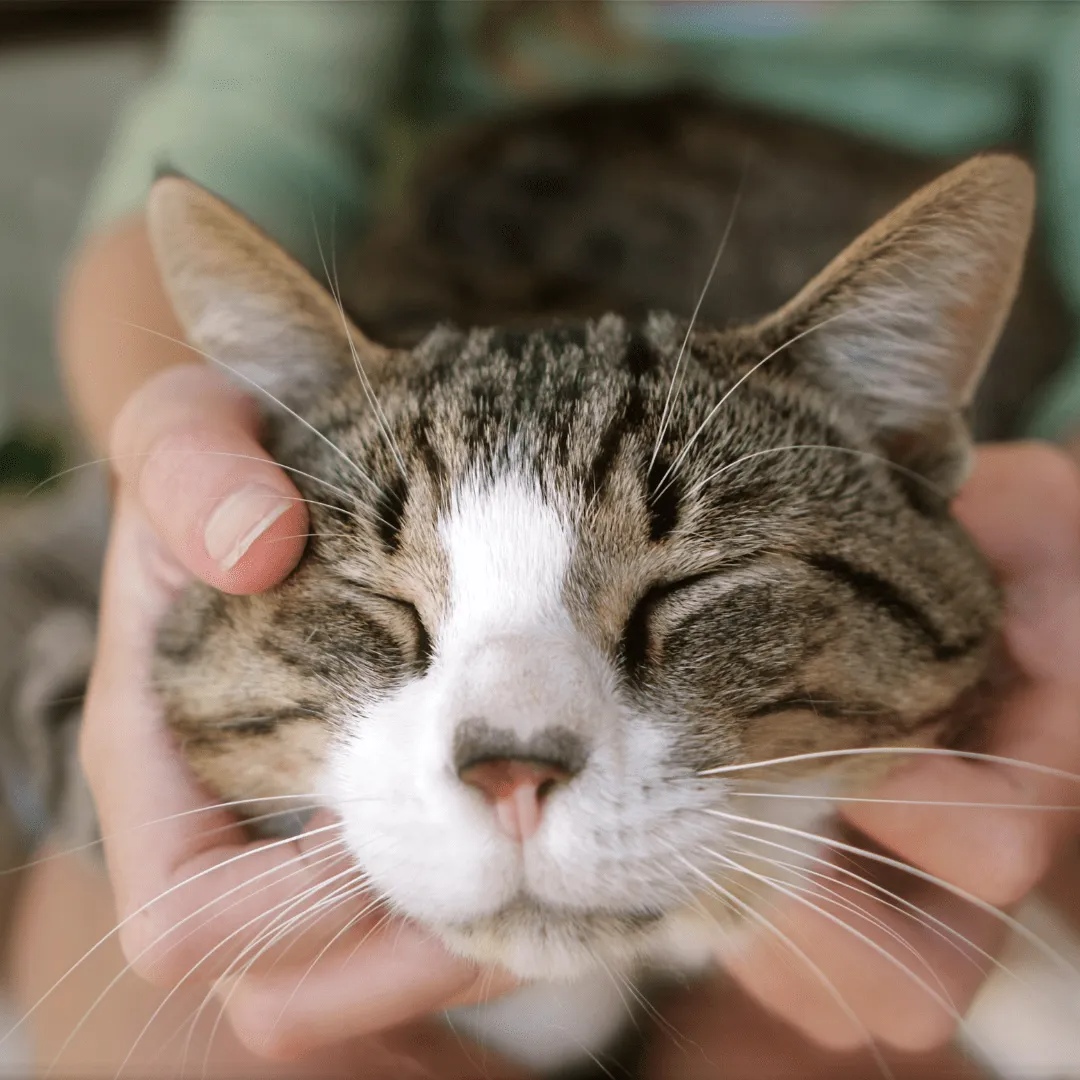
Tabby cat with closed eyes being gently held by hands, close-up portrait
September 29, 2026
Talking About How To Make Cats Happy And The Month-Long Holiday That Promotes Cat Happiness The month of September is celebrated by cat lovers everywhere as Happy Cat Month! Never heard of Happy Cat Month? Then you’re in luck because Cool Cats Professional Cat Sitting has you covered! This article will cover everything you need to know about Happy Cats Month, how to celebrate it, and some of the best ways to keep your cat happy. What Is Happy Cat Month? So what is Happy Cat Month? Happy Cat Month is a month-long holiday that aims to inform and educate cat owners about how to make their cats healthy and happy. It’s a common misconception that cats are self-sufficient pets. While most cats do have an independent nature, they are still very social creatures. Cats need lots of love & attention just like any other pet. Happy Cat Month is a friendly and celebratory way to educate people about the welfare, health, and importance of our feline friends.
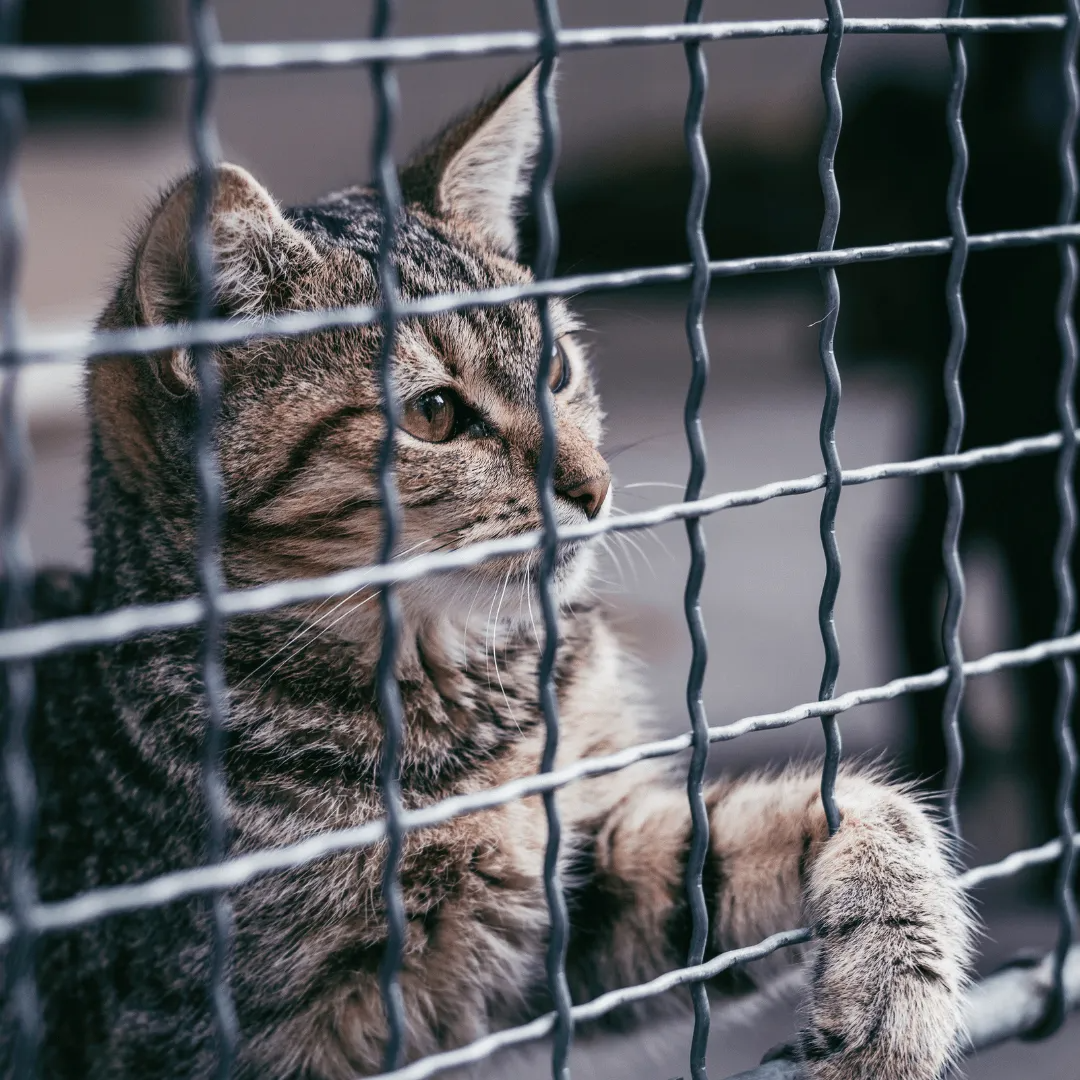
A wildcat behind a wire fence, looking through the bars with one paw raised.
September 29, 2026
Covering Two Very Important Pet-Themed Holidays That Focus On Shelter Animals And The Struggles They Face The month of September contains several pet-themed awareness based holidays. Two of the most significant of these holidays are Adopt A Less Adoptable Pet Week and Remember Me Thursday. Both of these holidays are centered around shelter animals and the struggles they face. This article will discuss both of these holidays and offer various ways you can observe them. Adopt A Less Adoptable Pet Week The 3rd week of September is widely celebrated by pet lovers everywhere as Adopt A Less Adoptable Pet Week. This year (2023) Adopt A Less Adoptable Pet Week takes place from September 18th to September 24th. This week-long holiday was founded by PetFinder , an online searchable database of animals that need homes. Additionally, PetFinder also has a directory of nearly 11,000 animal shelters and adoption organizations. These animal shelters and adoption organizations span across the U.S., Canada, and Mexico. Adopt A Less Adoptable Pet Week was founded to raise public awareness about shelter animals that are often overlooked. Most of these animals are overlooked based solely on appearance. However, just because an animal doesn’t look perfect, doesn’t mean they are not worthy of adoption. Additionally, this also applies to senior pets or pets with special needs. Many people believe it would require too much effort to care for a senior pet or special needs pet. Caring for these types of pets may not be easy, but it is still very rewarding and humbling to do so. Remember Me Thursday Remember Me Thursday occurs every year on the last Thursday of September. This year (2023) it will take place on September 28th. This pet themed awareness based holiday was founded in 2013 by Helen Woodward Animal Center of San Diego . The focus of Remember Me Thursday is to raise awareness about the importance of pet adoption and all of the shelter animals that are in need of a forever home. Remember Me Thursday has made a huge impact in the world since its founding in 2013. More than 190 countries have supported Remember Me Thursday along with over 700 different animal welfare organizations worldwide. Additionally, more than 330 million people have helped spread awareness about Remember Me Thursday across various social media platforms. What started as a pet-themed holiday has now become a worldwide movement to inspire change in shelter animals’ lives.