





Spring Flea & Tick Prevention For Apex Cats

September 25, 2026

Spring in Apex, North Carolina brings beautiful weather and sunshine! However, Spring also brings nasty pests like fleas, ticks, and other parasites that live in North Carolina’s warm and humid climate. Here at Cool Cats Professional Cat Sitting, we know firsthand how fast these pests can bother cats in the Spring & Summer. So, here is a brief guide to help cat owners prevent these pests from ruining your feline friend’s Spring & Summer.


Why Spring Parasite Prevention Matters


In the Apex, NC area, flea and tick season is essentially year-round on account of the mild winters. But, they are noticeably more active from April to November. Even “indoor-only” cats are at risk! This is because both fleas and ticks can get into our homes by hitchhiking on people or dogs. Therefore, we recommend using flea and tick preventatives on your pets, even if they are primarily indoors. Also, fleas & ticks can cause way more than just itchiness. They can cause skin infections, allergic reactions, anemia, and even transmit diseases. These pests may be tiny, but they can make a huge impact on your cat’s overall health & well-being.


Prevention Steps For Apex Cat Parents

Prevention Steps For Apex Cat Parents

To help keep your feline friends safe, use a vet-recommended flea and tick preventative every month, year-round (types of flea & tick preventatives explained below). This is especially important during peak pest season (Spring through early Fall). It’s very important to use these products as a preventative, not a solution. By the time you spot fleas or ticks on your cat, it may be too late. These pests act quickly, and there’s a good chance there are already eggs and larvae in the environment by the time you spot them. At which point, you now have to treat your entire home, other pets, and the people living in your home. This can be both expensive and time consuming. So, we recommend setting reminders on your phone and/or calendar so you never miss a dose.


Choosing The Right Flea & Tick Prevention Product


Below we have outlined the most common forms of flea & tick preventatives. However, we recommend always consulting with your veterinarian first before using any of these products. They know your pet better than most and give you expert insight as to what type of product best suites your cats’ needs, lifestyle, and health. ​


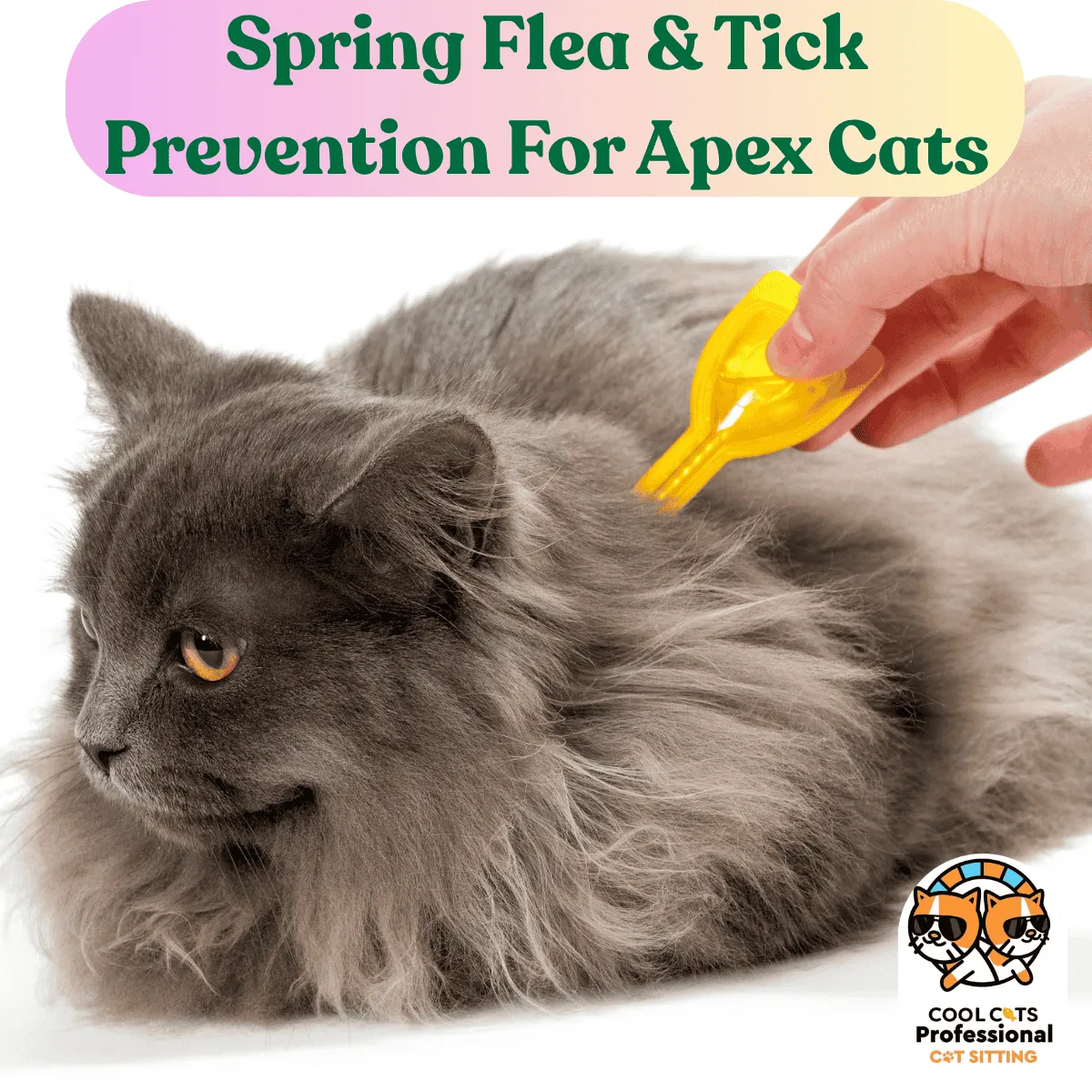
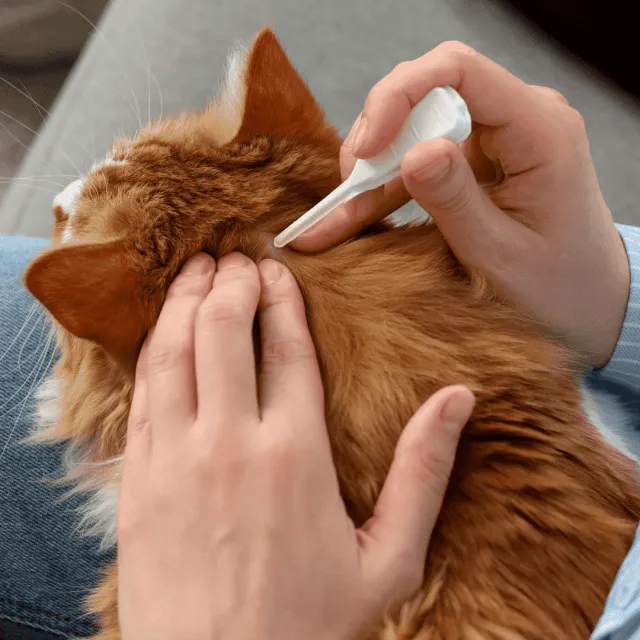
  • Topical treatments: The most common form of flea & tick prevention. This product is applied directly on the skin between the shoulder blades. it is usually administered once a month and designed to kill adult fleas & ticks. Many of them also kill the eggs and larvae as well. To learn more about topical treatments, click here. ​
  • Oral medications: The 2nd most common for of flea & tick prevention. These come in the form of tablets or chews that your cat takes orally, often once a month. This product works from the inside out and is known to be fast-acting. Some pet owners report that it is more effective than topical treatments, but it may not work well with all cats. In rare cases, these products can cause major side effects including neurological damage like tremors and seizures. ​
  • Collars: The 3rd most common form of flea & tick prevention. This is hands down the easiest method as you simply put the collar around your cat’s neck and you’re done! These collars release active ingredients over time that help kill and/or repel parasites. While results may vary, many of these collars will remain effective for 6-8 months after opening. Some potential common side effects include skin irritation, allergic reactions, and hair loss.​
  • “Natural” products: For cat owners that want to take a more holistic approach. These include products like essential oils (cedarwood, lemongrass, etc.). Other options frequently used by cat owners include coconut oil, neem oil, and apple cider vinegar. While these “natural” methods may seem more tempting, it’s important to remember that these are not full-proof. The results may vary and you may not get the consistent protection the other aforementioned products offer.


As always, consult with your veterinarian to determine the best type of flea & tick treatment for your feline friend. But, if you want to learn more about the various types of flea & tick preventatives on the market, click here.

It’s also worth noting to never use dog flea/tick products on cats. Dog flea/tick products are often much more concentrated as they are supposed to be used for a larger animal in most cases. Using dog flea/tick products could make the situation worse!


Protecting Your Home And Yard

Protecting Your Home And Yard

Flea & tick prevention is about more than just the products you apply to your pets. It’s also about the spaces your pets live in. For indoor protection, routinely vacuum rugs, carpets, and furniture. Additionally, wash your cat’s bedding and blankets in hot water regularly during Spring & Summer. As for outdoor areas, always keep grass trimmed as fleas and ticks thrive in tall grass. Also, be sure to remove any dead leaves and brush (another favorite spot for fleas & ticks). Additionally, try to deter stray animals and wildlife from hanging around your property. They often carry fleas & ticks with them and could easily transmit them to your property and pets. Lastly, when using treatments on your grass and/or yard, always make sure they are pet-safe.


Indoor-only Cats Still Need Protection

Indoor only Cats Still Need Protection

If you are a dog owner, there’s a good chance that they go outside quite often for walks and potty breaks. As a result, your dog could potentially bring fleas or ticks into your home after being outside. Therefore, it’s very important to use flea & tick preventatives on them as well. Also, this means even indoor-only cats should be given flea & tick preventatives, just to be safe. Any exposure to these parasites warrants the use of flea & tick prevention. This also includes things like screened porches, open windows, catios, balconies, etc. Don’t risk your cat’s health, stay protected and stay safe!


Signs Your Cat Might Have Fleas Or Ticks


Detecting fleas or ticks on your cat can be difficult. But, there are some clear-cut signs that indicate your cat may have fleas or ticks. Here are some common indicators:


  • Frequent scratching, biting, or licking, especially near the tail base, neck, or belly​
  • Small dark specks (flea dirt) on skin or bedding, or tiny jumping insects​
  • Scabs, redness, hair thinning, or sudden sensitivity when you pet certain areas​
  • Visible ticks; often around the ears, neck, or between the toes​


If you notice any of the aforementioned signs, contact your veterinarian immediately. They can help guide you through the next steps and provide insight into the best products to help deal with the pests and prevent future incidents.


How Cool Cats Professional Cat Sitting Helps

How Cool Cats Professional Cat Sitting Helps

When it comes to your cat’s health, Cool Cats Professional Cat Sitting has you covered! Our sitters can do a quick visual check of your cat’s coat and skin at each visit and let you know if we see possible signs of fleas or ticks. Additionally, we monitor changes in grooming, scratching, or appetite that might suggest discomfort. We also keep litter areas, food areas, and sleeping spots tidy to reduce hiding places for parasites and help you spot issues early. Also, we follow your vet’s and your specific instructions for any prescribed flea or tick medications while you’re away.​


With the right combination of monthly preventatives, a clean home environment, and regular checks, you can keep your furry friend comfortable and parasite-free as the North Carolina weather warms up.


Ready to Book a Cat Sitter?


Looking for a trusted, experienced pet sitter in your area? At Cool Cats Professional Cat Sitting, we care for your pets as if they were our own—offering the love, comfort, and dependable service every cat deserves. Fully bonded and insured, we provide a wide range of professional pet sitting services tailored to your needs.


We proudly serve Apex, NC (27502, 27523, 27539), Brier Creek (27617), Cary, NC (27511, 27513, 27518, 27519), Chapel Hill (27514, 27515, 27516), and Morrisville, NC (27560). Click here to become a client today or call us at 919-335-3157. Don’t forget to follow us on Facebook and Instagram for adorable cat photos, updates, and pet care tips. We can’t wait to meet your cool cat soon!

Tabby cat with closed eyes being gently held by hands, close-up portrait
September 29, 2026
Talking About How To Make Cats Happy And The Month-Long Holiday That Promotes Cat Happiness The month of September is celebrated by cat lovers everywhere as Happy Cat Month! Never heard of Happy Cat Month? Then you’re in luck because Cool Cats Professional Cat Sitting has you covered! This article will cover everything you need to know about Happy Cats Month, how to celebrate it, and some of the best ways to keep your cat happy. What Is Happy Cat Month? So what is Happy Cat Month? Happy Cat Month is a month-long holiday that aims to inform and educate cat owners about how to make their cats healthy and happy. It’s a common misconception that cats are self-sufficient pets. While most cats do have an independent nature, they are still very social creatures. Cats need lots of love & attention just like any other pet. Happy Cat Month is a friendly and celebratory way to educate people about the welfare, health, and importance of our feline friends.
A wildcat behind a wire fence, looking through the bars with one paw raised.
September 29, 2026
Covering Two Very Important Pet-Themed Holidays That Focus On Shelter Animals And The Struggles They Face The month of September contains several pet-themed awareness based holidays. Two of the most significant of these holidays are Adopt A Less Adoptable Pet Week and Remember Me Thursday. Both of these holidays are centered around shelter animals and the struggles they face. This article will discuss both of these holidays and offer various ways you can observe them. Adopt A Less Adoptable Pet Week The 3rd week of September is widely celebrated by pet lovers everywhere as Adopt A Less Adoptable Pet Week. This year (2023) Adopt A Less Adoptable Pet Week takes place from September 18th to September 24th. This week-long holiday was founded by PetFinder , an online searchable database of animals that need homes. Additionally, PetFinder also has a directory of nearly 11,000 animal shelters and adoption organizations. These animal shelters and adoption organizations span across the U.S., Canada, and Mexico. Adopt A Less Adoptable Pet Week was founded to raise public awareness about shelter animals that are often overlooked. Most of these animals are overlooked based solely on appearance. However, just because an animal doesn’t look perfect, doesn’t mean they are not worthy of adoption. Additionally, this also applies to senior pets or pets with special needs. Many people believe it would require too much effort to care for a senior pet or special needs pet. Caring for these types of pets may not be easy, but it is still very rewarding and humbling to do so. Remember Me Thursday Remember Me Thursday occurs every year on the last Thursday of September. This year (2023) it will take place on September 28th. This pet themed awareness based holiday was founded in 2013 by Helen Woodward Animal Center of San Diego . The focus of Remember Me Thursday is to raise awareness about the importance of pet adoption and all of the shelter animals that are in need of a forever home. Remember Me Thursday has made a huge impact in the world since its founding in 2013. More than 190 countries have supported Remember Me Thursday along with over 700 different animal welfare organizations worldwide. Additionally, more than 330 million people have helped spread awareness about Remember Me Thursday across various social media platforms. What started as a pet-themed holiday has now become a worldwide movement to inspire change in shelter animals’ lives.