Stress Reduction
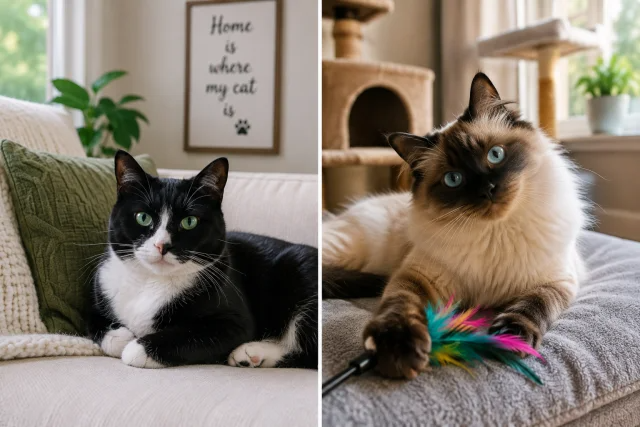
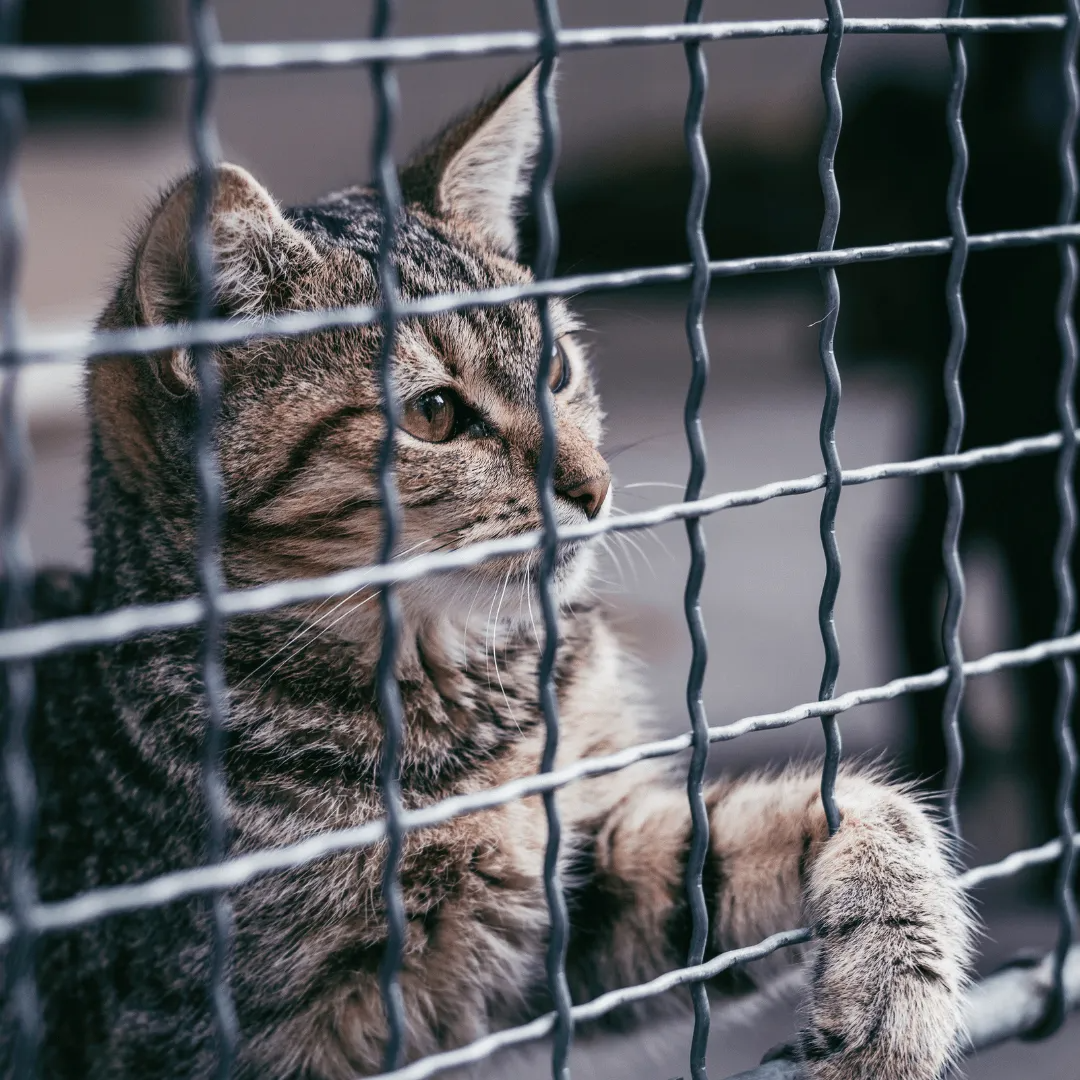
Unlike dogs, cats are deeply tied to their territory. Most cats feel panic when you take them out of their home. The strange noises, weird smells, and unknown animals at a boarding kennel often cause cats to stop eating, hide, or even get sick. A cat sitter lets your cat stay right on their favorite couch where they feel secure.
Maintaining Routine
Cats are very routine oriented. A professional sitter keeps your cat’s normal schedule perfectly intact. They serve food at the exact same time, play with the same toys, and leave the cat alone when it is time to sleep. Keeping this daily routine steady is the biggest secret to keeping your cat calm and happy while you are gone.
One-on-One Attention
At a boarding kennel, the workers have to split their time between many different animals. A dedicated cat sitter gives your cat their full attention. They provide real playtime and quiet company exactly when your cat wants it. If you want this level of personal care, you should look for a professional cat sitter who has strong reviews from other local pet owners.
Health and Safety
Even the cleanest commercial boarding kennels carry a big risk: sick animals. Colds, bugs, and viruses spread incredibly fast when you put dozens of stressed animals in one room. With a cat sitter, your cat stays completely isolated from unknown, potentially sick animals. A good sitter also knows how to spot the early signs of illness and can call the vet immediately if your cat starts to show any of those signs.
Home Security
People often forget this extra benefit. Having a sitter come to our house makes it look like you never left. The sitter turns lights on and off, brings in the mail, and creates visible activity. This makes our house a much harder target for burglars while you are traveling.
Types of Cat Sitting Services
Drop-In Visits
This is the most common and affordable choice. A drop-in visit usually lasts between 30 and 60 minutes. The sitter comes in, serves fresh food, changes the water, cleans the litter box, and spends time playing with your cat. These short visits work perfectly for independent cats who like being alone but still need basic care and a daily check-in.
Live-In / Overnight Cat Sitting
If your cat hates being alone or needs constant company, overnight sitting is the best option. The sitter actually sleeps at your house, works from your couch, and stays nearby all night. This is the perfect choice for cats that need daily medication or have severe anxiety when left in an empty house.
In-Home Boarding
If you do not want your cat sitting alone in your house all day, in-home boarding is a great alternative to a kennel. You drop your cat off at the sitter’s actual house. Your cat gets to stay in a quiet, warm living room instead of a metal cage, getting much more personal attention than a cattery can provide.
What Does a Professional Cat Sitter Actually Do?
Basic Care
The basic chores are strictly followed: fresh food goes in the bowl on time, old water gets dumped and refilled, and the litter box gets scooped clean. A good sitter never skips these steps because a dirty litter box directly hurts your cat’s health and ruins their mood.
Physical and Mental Engagement
A quality sitter does more than just open a can of food. They actively spend time with your cat. This means playing with your cat’s favorite toys, brushing their fur if they like it, or just sitting quietly next to them on the rug. Mental play is just as important as running around. A smart sitter knows how to read your cat’s body language to see if they want to play or just want to be left alone.
Health Monitoring
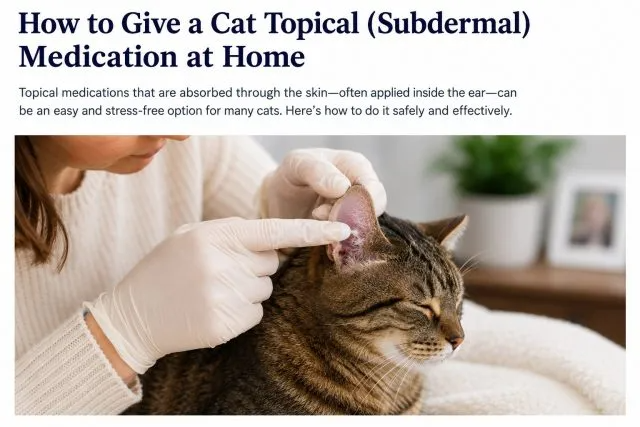
Many owners hire sitters simply because their cat needs daily pills or special supplements. A good sitter handles these medical routines perfectly. They also watch your cat closely for any changes in your cat’s eating habits, whether they are having difficulty breathing or they are hiding when they don’t normally hide. They also monitor the litter box and can tell whether what they see in the litter box is normal or not. The sitter knows these are warning signs and will contact a vet right away.
Communication
The best cat sitters over-communicate. Most professionals will text you daily photos and videos of your cat. This small text message gives you massive relief. Seeing a video of your cat sleeping in the sun or chasing a toy completely changes your trip from a stressful worry to a relaxing vacation.
How to Choose the Right Sitter?
Vetting and Background Checks
Just because someone likes cats does not mean they are qualified to watch yours. When you hire a sitter, make sure they have passed a background check and can provide real references. A
trustworthy cat sitter will gladly show you their credentials and let you call their past clients to verify their work.
Certifications to Look For
Cat sitters do not need a strict government license, but good certifications prove they take the job seriously. Look for someone with Pet First Aid and CPR training. This proves they know exactly what to do if your cat chokes or gets hurt. Training in animal behavior or membership in a professional pet sitting group are also excellent signs.
The Meet & Greet
Never hire a sitter without meeting them first. This short meeting is crucial. It lets your cat smell the sitter in a safe space. It lets the sitter learn your cat’s weird habits. It also lets you see if you actually trust the person. Watch how the sitter acts. If they are patient, calm, and respect your cat’s space, you have found a good match.
Insurance and Guarantees
A real
professional cat sitter carries business insurance. This covers any accidental injuries to your cat or damage to your house. Some companies also promise a backup plan. If your hired sitter gets sick or has a car crash, the company will automatically send a qualified replacement to feed your cat. Always ask about this backup plan before you hand over your keys.
Preparing for Your First Cat Sitting Experience
Detailed Instruction
A sitter can only do a good job if you give them the right facts. Write down a clear guide before you leave. Write down the exact feeding times and portion sizes. Write out the exact pill doses. Explain your cat’s personality (Do they hide from loud noises? Do they bite if you touch their stomach?). Mention their favorite hiding spots and the toys they actually like to play with.
Supplies Checklist
Do not make the sitter hunt for supplies. Leave out enough food to last the whole trip, plus three extra days just in case your flight gets delayed. Leave a massive supply of clean litter. Put all the medicine bottles right on the kitchen counter with clear labels. Leave their favorite blanket or bed out in the open where the sitter can easily see it.
Emergency Planning
Leave a clear list of emergency numbers on the fridge. Include your normal vet’s number and the address of the closest 24-hour animal hospital. Give the sitter the phone number of a trusted neighbor or friend who can make medical decisions if your plane is in the air and you cannot answer the phone. Tell the sitter exactly how much money you are willing to spend on an emergency vet bill so they do not have to guess.
Frequently Asked Questions
How Long Should a Cat Sitting Visit Last?
A standard 30 to 60-minute visit works fine for most normal cats. This gives the sitter enough time to clean the boxes, serve food, and play for a bit. If your cat is very needy, highly anxious, or used to having people around all day, you should book a longer visit or pay for an overnight stay.
Can a Sitter Handle Special Breeds or Specific Temperaments?
Yes. A good sitter has worked with all types of cats. They know how to handle a highly active Bengal or a completely terrified rescue cat. Tell the sitter exactly how your cat acts during the meet and greet, and ask them point-blank if they have handled a cat with that exact personality before.
What Happens If My Sitter Has an Emergency?
You must ask this question before you pay them. A professional sitting company always has a backup plan. They keep a list of vetted replacement sitters who can step in immediately if your main sitter gets sick or has a family emergency. Get this promise in writing before you leave.
Is My Cat Safe with a Stranger?
This is exactly why you do a meet and greet. If your cat meets the sitter while you are standing there, smells them, and decides they are safe, the cat will be fine when that person walks in later. Trust how your cat reacts during that first meeting. If your cat hates the sitter, find a different one.
Conclusion
Cat sitting is now the best way to care for your pet because it respects how cats actually work. It keeps them in the exact house they know, follows the exact routine they expect, and gives them direct, quiet attention from a person who actually cares about their mood.
Leaving your cat behind is always hard the first time. But if you find a verified, experienced sitter who texts you daily updates, the worry disappears fast. Take the time to interview a good sitter introduce them to your cat slowly, and write down clear instructions. Your cat will be perfectly fine sleeping on their own couch, and you can actually enjoy your vacation knowing they are safe.
Your cat deserves to feel safe at home. A professional cat sitter makes sure that happens.