

Cat Visit Frequency: How Often Is Enough?

Cheui Rulona • September 25, 2026

A full food bowl is not the same thing as care. While you are away, your cat still needs fresh water, a clean litter box, a familiar routine, and someone observant enough to notice when something is off. The right cat visit frequency is less about what seems convenient and more about what helps your individual cat stay safe, comfortable, and settled at home.


For some healthy adult cats, one thoughtful visit each day may be appropriate. For kittens, seniors, cats on medication, or cats who become anxious when their people are gone, twice-daily care can be the kinder and safer choice. Here is how to decide without guesswork or guilt.


Cat Visit Frequency Starts With Your Cat’s Needs


Cats are often described as independent, but independence does not mean they should be left without regular human oversight. A cat can appear perfectly fine at breakfast and develop vomiting, urinary trouble, a skipped meal, or a medication issue later that day. Regular visits create opportunities to catch changes early, before a small concern becomes an emergency.


Start with your cat’s normal routine. Does she graze on dry food all day, or wait expectantly for wet food at set mealtimes? Does he use the litter box several times daily? Is your cat playful and social, shy but reassured by a quiet presence, or prone to stress when the household changes? Those details should shape the schedule.


A professional sitter should also follow your written instructions closely. Feeding amounts, hiding places, favorite toys, brushing preferences, and litter-box habits are all useful information. The goal is not to impose a new routine while you travel. It is to preserve the routine that already makes your cat feel secure.


When One Visit a Day May Be Appropriate


For a healthy adult cat on a short trip, one daily visit can work well when the cat has no medical needs, eats reliably, and is comfortable spending quiet time alone. The visit should be more than a quick food refill. It should include fresh food and water, litter-box scooping, a check for accidents or hairballs, visual health observation, and personal attention suited to that cat.


A once-daily schedule is often a reasonable starting point for cats who are low-maintenance in the best sense of the word: predictable, healthy, and content in their familiar surroundings. Even then, the quality and length of the visit matters. A cat who loves interactive play or needs more time to warm up may benefit from a 45- or 60-minute visit rather than a brief stop-in.


One visit a day is not the same as leaving a cat entirely alone for 24 hours at a time. A dependable sitter provides a daily wellness check, confirms that food and water are being used normally, and monitors the litter box for clues about hydration, digestion, and urinary health. Daily photo updates can also replace some of the worry with real reassurance: your furry family member is home, cared for, and behaving like themselves.


When Twice-Daily Visits Are the Better Choice


Twice-daily visits offer more frequent meals, litter maintenance, interaction, and health monitoring. For many households, that extra check-in is the purr-fect peace of mind, especially on trips lasting several days.


Consider two visits per day if your cat falls into one of these situations:


  • They are a kitten, senior, or have a health condition that could change quickly.
  • They need pills, injections, topical medication, or medication given at consistent times.
  • They eat scheduled meals, especially wet food, or have a history of appetite concerns.
  • They have urinary, digestive, diabetes, kidney, thyroid, or other ongoing health needs.
  • They are highly social, easily stressed, or known to hide, stop eating, or act out when left alone.
  • You have multiple cats sharing food, water, and litter boxes.


Medication is one of the clearest reasons to increase visit frequency. A cat receiving insulin, for example, needs care timed around the veterinarian’s instructions and meal schedule. Even a cat taking a daily pill may need a sitter who can confirm the dose was actually swallowed, rather than simply left in food. If medication is needed, discuss the timing, handling instructions, and your veterinarian’s emergency contact information before you leave.


Multi-Cat Homes Need More Than a Head Count


A home with three easygoing cats does not always require three times as many visits. But multi-cat care has its own complications. It can be difficult to tell who ate, who used the litter box, or who is hiding when several cats share space. More frequent visits give a sitter more chances to observe each cat as an individual.


This matters most when cats have different diets, medications, litter-box habits, or personalities. One confident cat may greet the sitter at the door while a quiet cat stays under the bed. That shy cat still deserves a daily visual check, fresh resources nearby, and patient attention on their own terms.


Litter boxes are another practical consideration. Even with multiple boxes, a household of several cats can create enough waste that once-daily scooping feels insufficient. Clean boxes support comfort and can make it easier to spot changes such as diarrhea, constipation, or reduced urine output. More visits can mean a cleaner home and clearer health observations.


Match Visit Length to What Happens During the Visit


Frequency is only half of the decision. A short visit may be enough for a straightforward feeding and litter routine, while another cat needs time for medication, cleanup, brushing, or patient socializing.


A 30-minute visit can be a good fit for a healthy cat with a simple routine. It provides time for care essentials plus a little affection or play. A 45-minute visit gives more breathing room for multi-cat households, cats who need their food prepared separately, or cats who enjoy a longer play session. A 60-minute visit is especially helpful for cats needing medications, extensive cleanup, extra monitoring, or unhurried companionship.

There is a trade-off to consider. Booking a longer single daily visit may be ideal for a social but healthy cat, yet it does not replace the benefit of a second check-in for a cat needing time-sensitive medication or more frequent meals. The right plan may be two shorter visits, one longer visit, or a combination based on the day’s care needs.


Do Not Base the Schedule on Food Alone


Automatic feeders and water fountains can be useful backups, but they are not a substitute for a person checking on your cat. Feeders can jam, fountains can lose power, water can spill, and a cat who refuses food may go unnoticed. A litter box can also reveal a concern long before a cat outwardly appears sick.


Before travel, test any automatic equipment and leave clear backup instructions. Place extra food, litter, cleaning supplies, carriers, and medications where the sitter can find them easily. Share your veterinarian’s contact information, emergency authorization, and any hiding places your cat favors. A meet-and-greet is the best time to walk through these details and introduce your cat to their caregiver without the pressure of departure day.


A Simple Way to Choose Your Schedule


If you are unsure, begin by asking four questions. How long will you be away? Does your cat have a medical, feeding, or behavioral need that requires more than one daily check-in? How much hands-on care does the home require? And would a second visit meaningfully reduce your cat’s stress or improve their safety?


For a one- or two-night trip with a healthy, routine-loving adult cat, daily professional care may be suitable. For longer trips, two visits often provide a more comfortable rhythm, particularly if your cat enjoys people or has any health considerations. There is no prize for selecting the fewest visits. The best schedule is the one that lets your cat remain safely at home with consistent care and lets you travel without constantly wondering what is happening.


At Cool Cats Professional Cat Sitting, care plans are built around the cat in front of us, not a one-size-fits-all rule. For families in Apex, Cary, Holly Springs, Morrisville, Fuquay-Varina, and Raleigh, that can include feeding, litter care, play, snuggles, medication support, and daily updates that show you how your cat is doing.


When you plan your next trip, choose enough visits for your cat to feel seen, not simply supplied. A familiar home, a clean litter box, a calm caregiver, and a dependable daily routine can make all the difference while you are away.

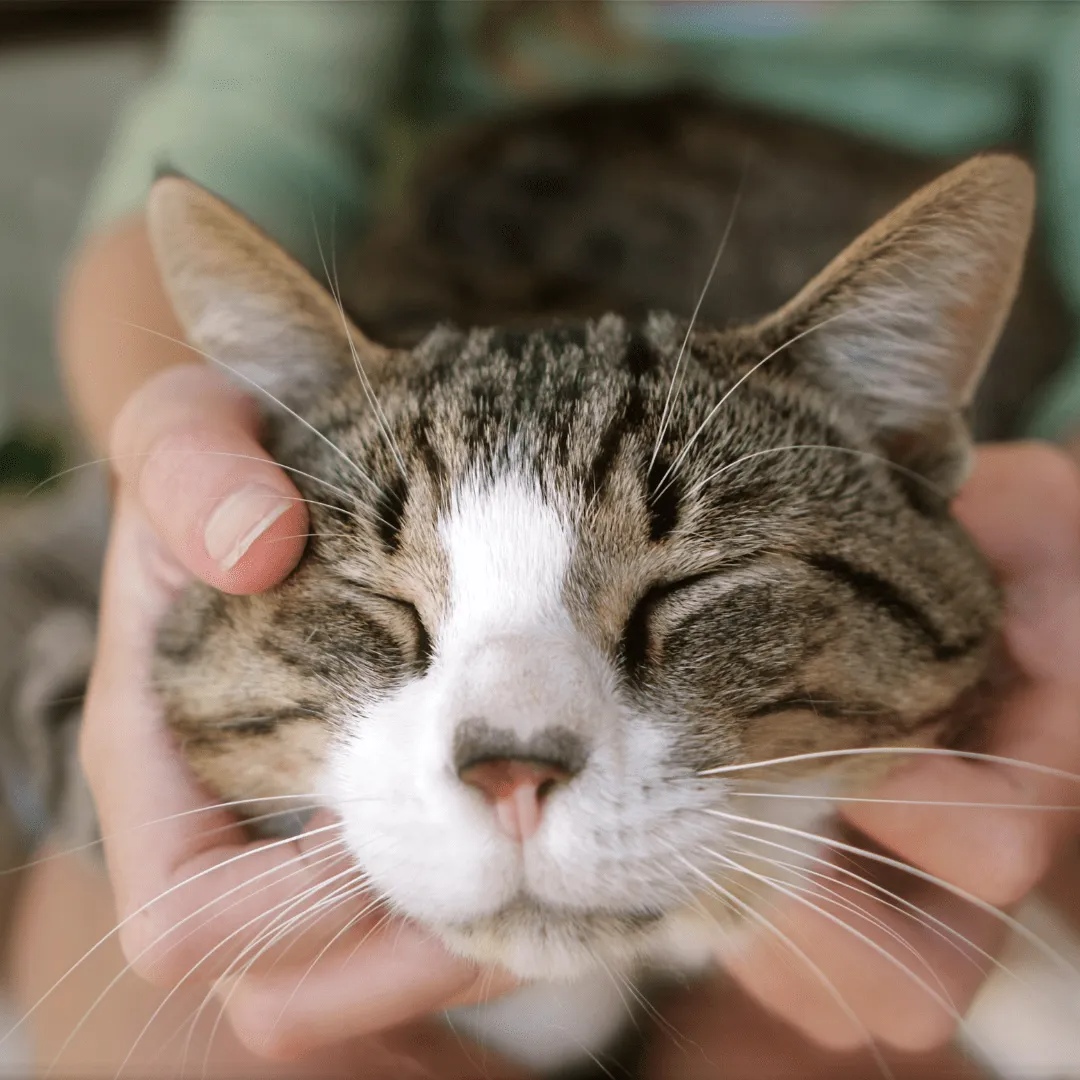
Tabby cat with closed eyes being gently held by hands, close-up portrait
September 29, 2026
Talking About How To Make Cats Happy And The Month-Long Holiday That Promotes Cat Happiness The month of September is celebrated by cat lovers everywhere as Happy Cat Month! Never heard of Happy Cat Month? Then you’re in luck because Cool Cats Professional Cat Sitting has you covered! This article will cover everything you need to know about Happy Cats Month, how to celebrate it, and some of the best ways to keep your cat happy. What Is Happy Cat Month? So what is Happy Cat Month? Happy Cat Month is a month-long holiday that aims to inform and educate cat owners about how to make their cats healthy and happy. It’s a common misconception that cats are self-sufficient pets. While most cats do have an independent nature, they are still very social creatures. Cats need lots of love & attention just like any other pet. Happy Cat Month is a friendly and celebratory way to educate people about the welfare, health, and importance of our feline friends.
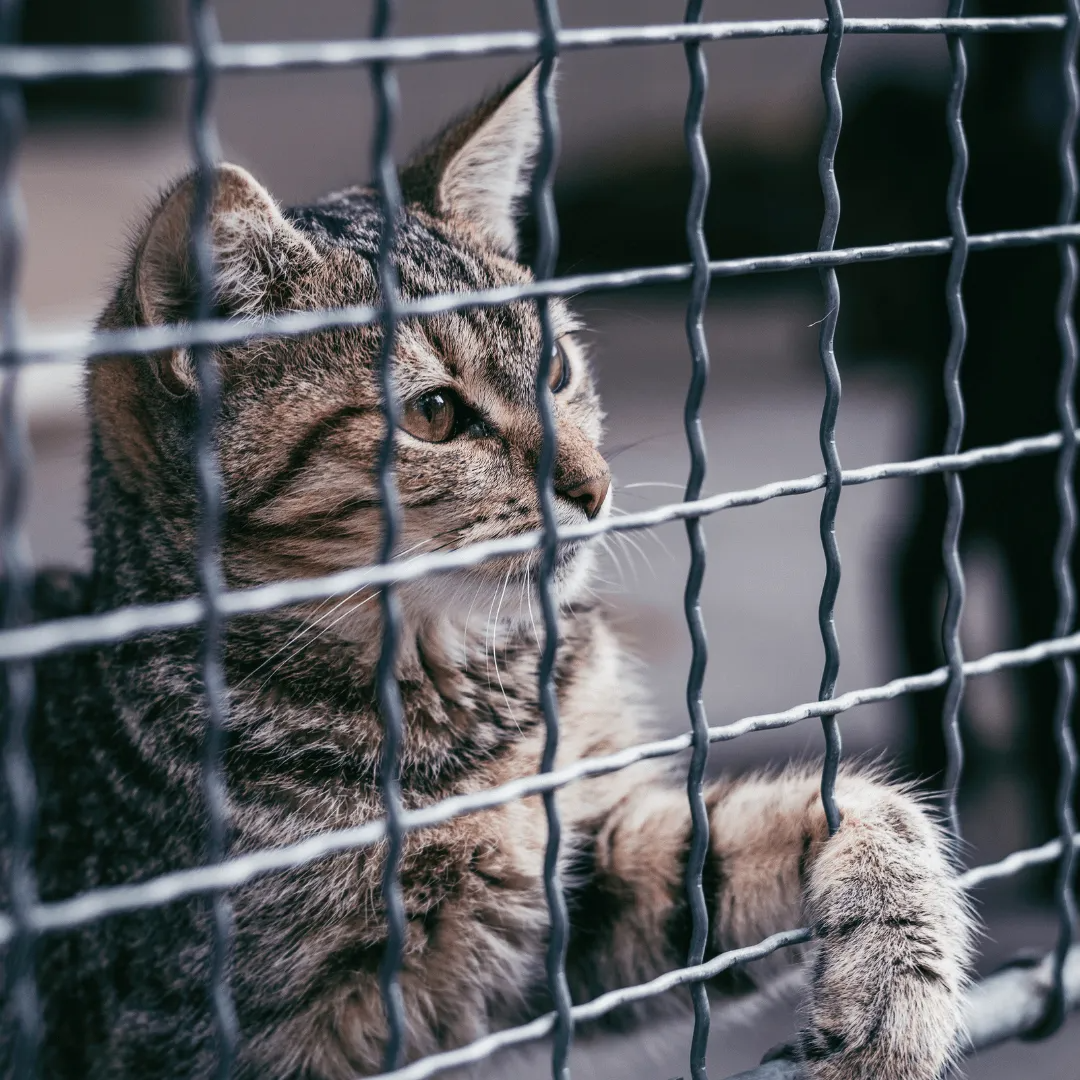
A wildcat behind a wire fence, looking through the bars with one paw raised.
September 29, 2026
Covering Two Very Important Pet-Themed Holidays That Focus On Shelter Animals And The Struggles They Face The month of September contains several pet-themed awareness based holidays. Two of the most significant of these holidays are Adopt A Less Adoptable Pet Week and Remember Me Thursday. Both of these holidays are centered around shelter animals and the struggles they face. This article will discuss both of these holidays and offer various ways you can observe them. Adopt A Less Adoptable Pet Week The 3rd week of September is widely celebrated by pet lovers everywhere as Adopt A Less Adoptable Pet Week. This year (2023) Adopt A Less Adoptable Pet Week takes place from September 18th to September 24th. This week-long holiday was founded by PetFinder , an online searchable database of animals that need homes. Additionally, PetFinder also has a directory of nearly 11,000 animal shelters and adoption organizations. These animal shelters and adoption organizations span across the U.S., Canada, and Mexico. Adopt A Less Adoptable Pet Week was founded to raise public awareness about shelter animals that are often overlooked. Most of these animals are overlooked based solely on appearance. However, just because an animal doesn’t look perfect, doesn’t mean they are not worthy of adoption. Additionally, this also applies to senior pets or pets with special needs. Many people believe it would require too much effort to care for a senior pet or special needs pet. Caring for these types of pets may not be easy, but it is still very rewarding and humbling to do so. Remember Me Thursday Remember Me Thursday occurs every year on the last Thursday of September. This year (2023) it will take place on September 28th. This pet themed awareness based holiday was founded in 2013 by Helen Woodward Animal Center of San Diego . The focus of Remember Me Thursday is to raise awareness about the importance of pet adoption and all of the shelter animals that are in need of a forever home. Remember Me Thursday has made a huge impact in the world since its founding in 2013. More than 190 countries have supported Remember Me Thursday along with over 700 different animal welfare organizations worldwide. Additionally, more than 330 million people have helped spread awareness about Remember Me Thursday across various social media platforms. What started as a pet-themed holiday has now become a worldwide movement to inspire change in shelter animals’ lives.