


Home Visits Versus Kennels for Anxious Cats

Your suitcase is open on the bed, and your cat has already noticed something is different. For many cat parents, the hardest part of a trip is not the packing. It is wondering whether their furry family member will feel frightened, lonely, or out of routine while they are away. When weighing home visits versus kennels, the best choice usually comes down to one question: where will your individual cat feel safest and most like themselves?
Cats are not small dogs. Most are deeply attached to their territory, familiar scents, favorite sleeping spots, and predictable daily rhythm. A change in environment can be unsettling even for a social, confident cat. That does not mean boarding is never appropriate, but it does mean it is worth looking closely at what each care option asks of your cat.
Why home visits often suit cats best
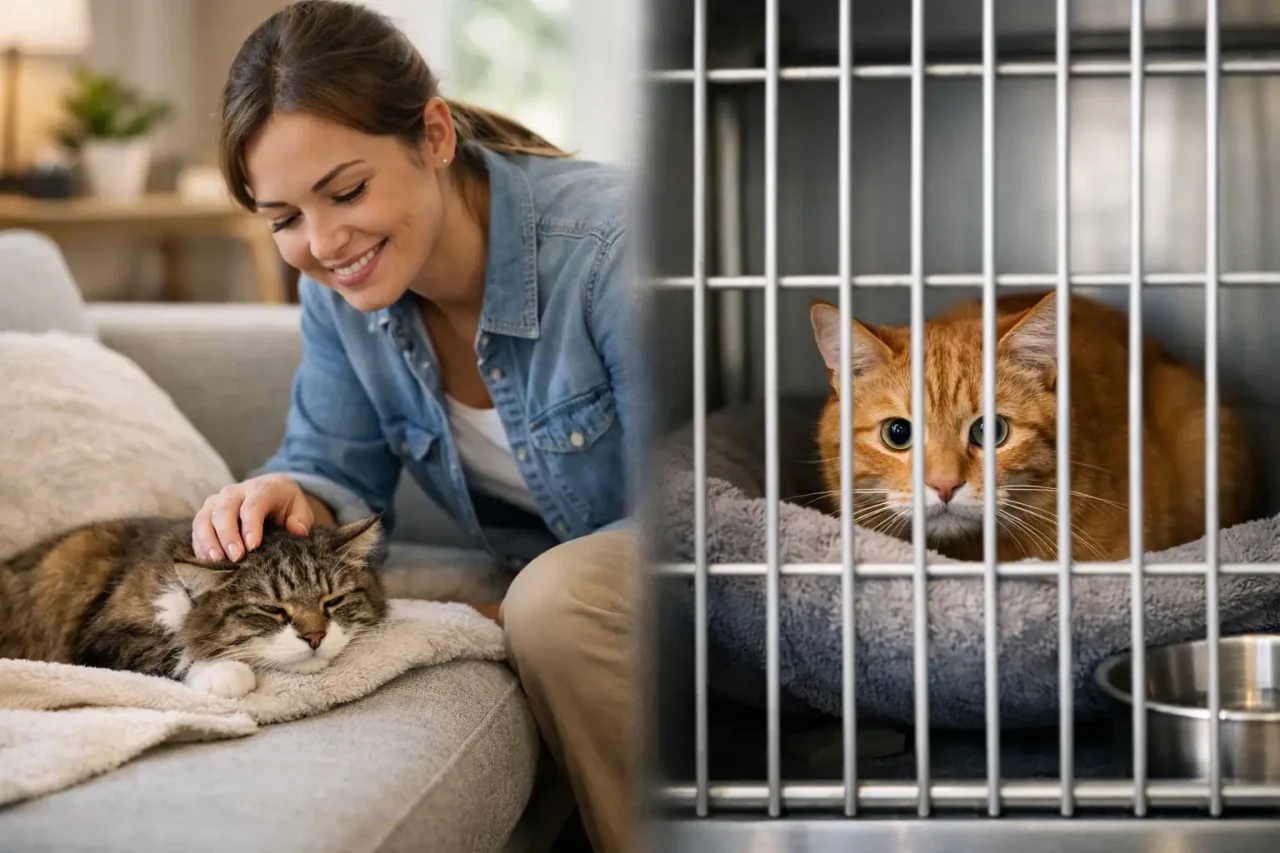
With in-home cat sitting, your cat stays in the place they know best: home. Their food bowl is in the usual spot, the litter box smells familiar, and they can nap in the sunny window or curl up on the blanket they chose that morning. Those details may seem small to us, but they help many cats feel secure.
A professional sitter visits on a schedule that fits your cat’s needs. During each visit, care can include precisely instructed feeding, fresh water, litter-box scooping, cleanup of hairballs or accidents, and a careful check for anything out of the ordinary. Just as importantly, a sitter can spend unhurried time playing, brushing, petting, or simply sitting quietly with a cat who prefers
gentle companionship.

This routine is especially valuable for cats who hide when visitors arrive, become stressed by car rides, dislike unfamiliar animals, or need a little time to warm up. A caring sitter does not expect every cat to be instantly social. They pay attention to body language and meet each cat where they are.
Home visits also make practical sense for multi-cat households. Rather than transporting several cats, their carriers, food, medications, and comfort items to a facility, everyone can remain in their own familiar space. Cats that normally share a home can keep their established social routine, with a sitter monitoring how each one is eating, using the litter box, and behaving..
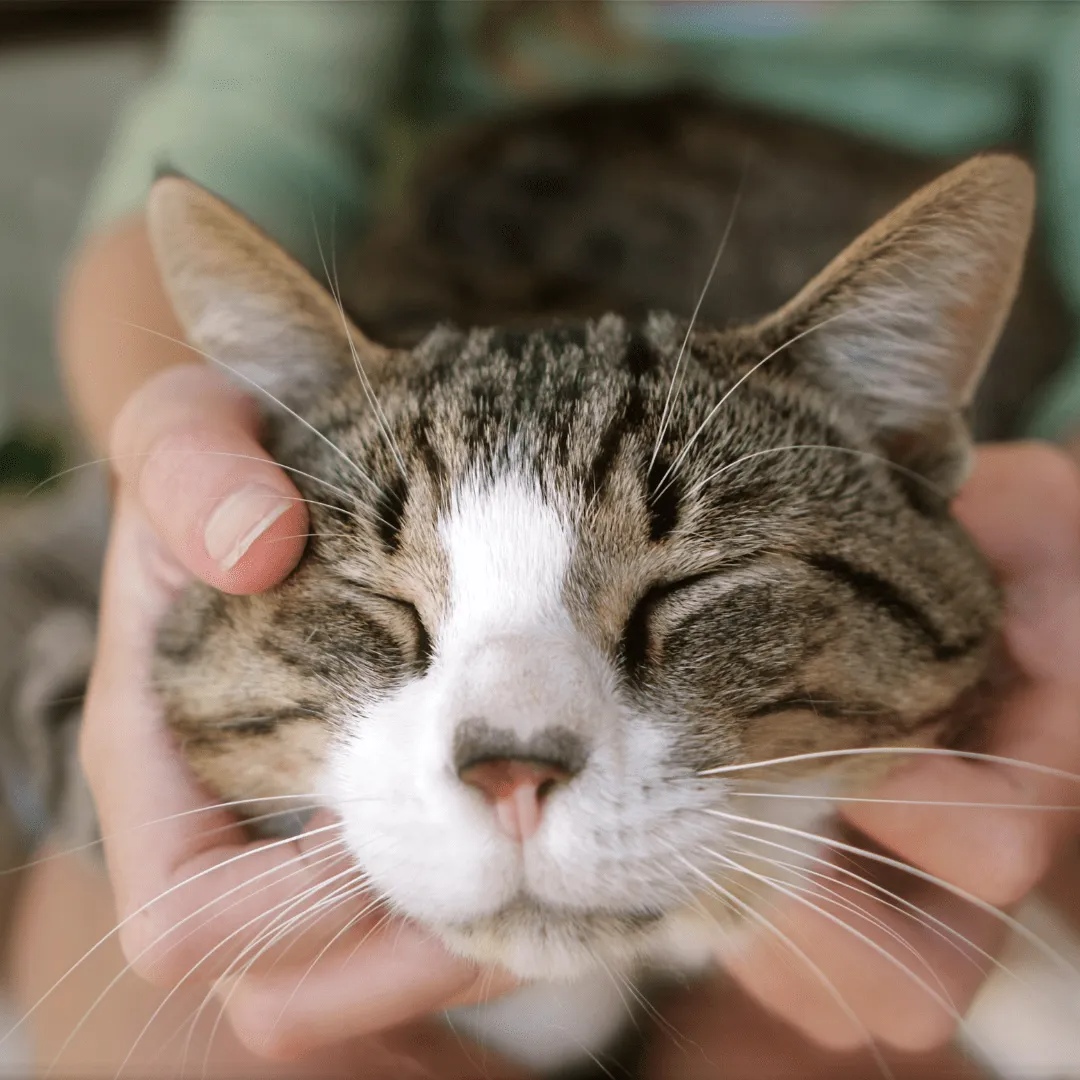
comfortable in home cat sitting
Home visits versus kennels: the biggest differences
A kennel or boarding facility provides supervised care away from home. For some families, it can feel reassuring to know their cat is at a dedicated facility rather than alone between visits. Facilities may be useful when a home cannot be safely accessed, a cat needs around-the-clock medical observation, or a veterinarian specifically recommends monitored boarding.
Still, boarding introduces several changes at once. Your cat must travel in a carrier, adjust to a new enclosure or room, hear unfamiliar sounds, smell other animals, and accept care from people they have just met. Even quality cat boarding can be a lot to process. A stressed cat may hide, eat less, vocalize more, or have litter-box changes in an unfamiliar setting.
There is also the question of exposure. Facilities work hard to keep spaces clean, but any shared animal environment can bring more contact with unfamiliar germs, parasites, noise, and activity than a cat experiences at home. For senior cats, shy cats, or cats with chronic health concerns, avoiding unnecessary environmental stress can be a meaningful advantage.
Home visits have their own trade-off: your cat is not under continuous observation. That is why choosing the right visit frequency and duration matters. A healthy, independent adult cat may do well with scheduled daily care, while a senior cat, a cat with medical needs, or a highly social cat may benefit from longer or more frequent visits. The goal is not to choose the shortest option. It is to create a care plan that reflects your cat’s real routine and needs..

Sad kitty in a kennel
Routine is more than a convenience
Cats often communicate that something is wrong through quiet changes. A cat who skips a meal, avoids the litter box, vomits, hides more than usual, or seems withdrawn may need closer attention. When a trained, cat-focused sitter sees your pet regularly in their normal environment, those changes can be easier to spot.
At-home care also allows owners to give detailed instructions without asking their cat to adapt to a facility schedule. Perhaps breakfast must be served before medication. Maybe one cat eats in the laundry room because her brother steals food. Perhaps your senior cat needs a low-sided litter box, or your playful young cat needs a wand-toy session before settling down at night. Personalized instructions are not fussy. They are often the difference between basic care and attentive care.
For cats who need pills, injections, or topical medications, dependable administration is a major factor in the decision. Medication support should always be discussed clearly before a trip, including your cat’s routine, behavior during treatment, and what to do if a dose cannot be given as planned. Owners of cats with more complex medical conditions may need veterinary boarding or hospitalization instead. There is no one-size-fits-all answer, and a trustworthy care provider will be honest about that.
Choosing the right visit length
The right level of care depends on more than how long you will be gone. Consider your cat’s age, health, personality, household setup, and normal level of interaction. A quick check-in may cover the basics for an easygoing cat, but many cats benefit from enough time for both care and observation.
A 30-minute visit can be a good fit when a cat has a simple routine and needs feeding, litter maintenance, and a little personal attention. A 45-minute visit offers more breathing room for play, brushing, multiple feeding areas, or a cat who takes time to come out and say hello. A 60-minute visit can be particularly helpful for multi-cat families, cats who need medication, seniors, or cats who thrive on extended play and snuggle time.
Before booking, think about what your cat’s ordinary day looks like. Do they greet you at the door and demand conversation? Do they require separate meals? Do they need a careful appetite check, insulin injection, or encouragement to take medication? The best plan should feel calm and realistic, not rushed.
What professional in-home care should include
Asking a neighbor to put out food can seem simple, but professional cat sitting brings consistency and accountability. Look for a provider that is insured, experienced with feline behavior, and willing to learn your cat’s specific routine through a meet-and-greet. You should know how visits are documented, how emergencies are handled, and whether the sitter can support needed medications.
Daily updates make a real difference when you are away. A photo and a brief report can tell you that dinner was eaten, the litter box was cleaned, medication was given, and your cat enjoyed a favorite toy or a peaceful cuddle. Beyond the practical information, those updates ease the particular worry of being away from a cat who cannot call to say they are okay.
For cat parents in Apex, Cary, Holly Springs, Morrisville, Fuquay-Varina, and Raleigh, Cool Cats Professional Cat Sitting provides scheduled 30-, 45-, and 60-minute visits designed around each cat’s instructions and personality. That cat-only focus matters because feline care is not an afterthought. It is the whole job.
When a kennel may be the better choice
Home sitting is often the gentler option, but it is not automatically right in every situation. A cat who requires continuous veterinary monitoring, frequent treatment beyond a sitter’s scope, or intensive post-surgical care may be safer in a veterinary boarding setting. Boarding can also be necessary if there is a serious home safety issue, such as unreliable utilities, construction, flooding risk, or no secure way for a sitter to enter.
Some confident cats also adapt well to a quiet, high-quality cat boarding facility, especially if they have boarded comfortably before. If you choose that route, ask about separate cat areas, cleaning practices, vaccination requirements, staff training, overnight supervision, feeding procedures, and how they handle a cat who will not eat or use the litter box. Tour the space if possible, and pay attention to how it sounds and smells.
The decision is not about proving that one option is always superior. It is about reducing stress and protecting your cat’s health while you are gone.
Before your next trip, picture your cat on an ordinary afternoon: resting in their chosen spot, eating their familiar food, and waiting for the routine they know. Care that preserves those comforts can offer the purr-fect peace of mind you need to leave home with a lighter heart.