

How to Schedule Cat Home Visits With Confidence

Cheui Rulona • September 25, 2026

A full food bowl is not the same thing as care. When you schedule cat home visits, you are arranging for someone to notice whether your cat actually ate, used the litter box normally, greeted them at the door, or chose a quiet hiding spot instead. Those small observations matter when your furry family member is home alone for several days.


Cats tend to feel safest in familiar territory. Their favorite window perch, usual feeding station, and predictable daily rhythm all help them stay settled while you are away. Professional in-home care gives you a practical alternative to boarding while providing the attention, cleanup, companionship, and daily oversight a cat deserves.


Why Schedule Cat Home Visits Instead of Boarding?


Many cats find travel and unfamiliar environments stressful. A carrier ride, new smells, barking dogs, and a different feeding routine can turn a short trip into a major disruption. Home visits allow your cat to remain where everything smells, sounds, and feels right..

There is also a health and safety benefit to having a trained sitter check in. Cats are famously good at concealing discomfort. A professional visit is an opportunity to spot a skipped meal, vomiting, diarrhea, a full litter box, or a behavior change before it becomes easier to miss. For senior cats and cats managing chronic conditions, that daily observation can be especially reassuring.


Home care is not one-size-fits-all, though. A very social cat may need longer visits and more interactive play, while a shy cat may prefer calm company, gentle conversation, and space to approach on their own terms. The right plan follows your cat’s personality, not a generic checklist..

In Home Cat sitting

Choose the Visit Length Your Cat Actually Needs


Before booking, think about what happens during a real visit. Feeding, fresh water, litter-box scooping, and a quick visual check are essential, but they should not consume the entire appointment. Your cat should also have time for attention that feels unhurried.


A 30-minute visit can be a good fit for an independent, healthy adult cat with a straightforward routine. It provides time for meals, water refreshes, litter care, a wellness check, and some affection or play.


A 45-minute visit gives more breathing room for multi-cat homes, cats who love a longer play session, or households with more detailed instructions. It can also be a sensible choice when you want the sitter to spend meaningful time building trust with a reserved cat rather than rushing through care tasks.


A 60-minute visit is often ideal for cats needing medication, more intensive cleanup, frequent companionship, or extra monitoring. It is also useful for homes with several cats, because each cat should receive individual attention rather than competing for a few hurried minutes.

The most economical option is not always the best value. If your cat needs pills administered, has a sensitive stomach, or becomes lonely when routines change, a longer appointment may provide greater peace of mind than trying to fit everything into a shorter visit.


Decide How Often Your Cat Needs Care


For most cats, daily visits are the minimum responsible plan when you are away overnight. Fresh water can spill, automatic feeders can malfunction, and litter boxes can become unpleasant more quickly than expected. A daily check means someone can respond to what is actually happening in your home, not what you hoped would happen.


Twice-daily visits can be a strong choice for kittens, seniors, cats on medication, cats with diabetes, cats recovering from illness, or very people-oriented cats. Morning and evening care also keeps meal times closer to normal, which can be helpful for cats who thrive on consistency.


There are exceptions. Some independent cats may seem content with less interaction, but independence should not be confused with a lack of needs. Even a quiet cat benefits from a professional set of eyes, a clean space, and a chance for someone to confirm they are comfortable.


Consider your cat’s routine, not just your trip length


A weekend away may only require a few visits, while a week-long vacation calls for a more detailed plan. But the decision should center on your cat’s everyday habits. Does your cat eat small meals throughout the day? Need medication at a specific time? Get anxious when the household is quiet? Have a history of urinary issues or hairballs? These details help determine the right frequency and visit duration.


What to Share Before You Book


A cat sitter can provide better care when they understand your cat as an individual. The meet-and-greet is the time to walk through routines, show where supplies are kept, and explain the little things that make your cat feel secure.


Be clear about feeding amounts, preferred treats, water habits, litter-box locations, hiding places, favorite toys, and any rooms that should stay closed. Tell the sitter how your cat usually responds to strangers. A cat who hides under the bed is not necessarily unhappy, but it helps to know whether that is normal behavior or a sign something is off.


Medication instructions deserve special attention. Provide the medication in its original container when possible, demonstrate how you give it, and explain what to do if your cat refuses it. Professional sitters may offer pills, injections, or topical medication administration for an additional charge, so discuss this upfront rather than treating it as an afterthought.


It is also wise to leave your veterinarian’s contact information, an emergency contact, and written authorization for veterinary care. This is not planning for the worst. It is simply making sure the person caring for your cat can act quickly if needed.


What a Professional Visit Should Include


When comparing care options, look beyond a promise to “check in.” A quality cat home visit is a structured service built around health, comfort, and routine.


During a visit, a professional sitter should follow your feeding instructions, refresh water, scoop and maintain litter boxes, clean up accidents or hairballs, and spend time observing your cat’s appearance and behavior. They should also provide the type of attention your cat enjoys, whether that means wand-toy play, brushing, petting, conversation, or a peaceful snuggle nearby.


Daily updates make that care visible. A photo and brief report can tell you whether your cat ate well, enjoyed playtime, accepted medication, or preferred a quiet visit. For owners traveling for work or trying to relax on vacation, that simple update can ease the familiar guilt of leaving a beloved cat behind.


Cool Cats Professional Cat Sitting provides scheduled 30-, 45-, and 60-minute visits with daily photo updates, insured care, and cat-specific attention for families throughout Apex and nearby communities.


Make the First Visit Easier on Your Cat


The best time to introduce a sitter is before your departure day. Scheduling a meet and greet lets your cat see a new person enter the home while you are still there, and it lets the sitter learn the layout, routine, and personality behind the notes.


On the day you leave, resist the urge to make major changes. Keep food, litter, bedding, and furniture in their usual places. Leave enough supplies for the full trip plus a little extra, especially food, litter, medication, and cleaning materials. If your cat loves a particular toy or blanket, keep it available.


Avoid asking a sitter to force interaction with a fearful cat. Patience is part of cat-specific care. Some cats will become fast friends; others will watch from a doorway until they decide the visitor is safe. Both responses can be perfectly normal.


Schedule Cat Home Visits Before Your Calendar Fills Up


Holiday weekends, school breaks, and popular travel seasons can book quickly. Scheduling early gives you time to choose the right visit length, complete a meet-and-greet, and make sure every instruction is clear before packing your suitcase.


Your cat does not need a dramatic adventure while you are gone. They need their meals served correctly, their litter box kept clean, their health watched carefully, and a kind, dependable person who understands that a few quiet minutes of trust can mean everything. Arrange care early, then leave home knowing your cat can stay comfortable in the place they love most.

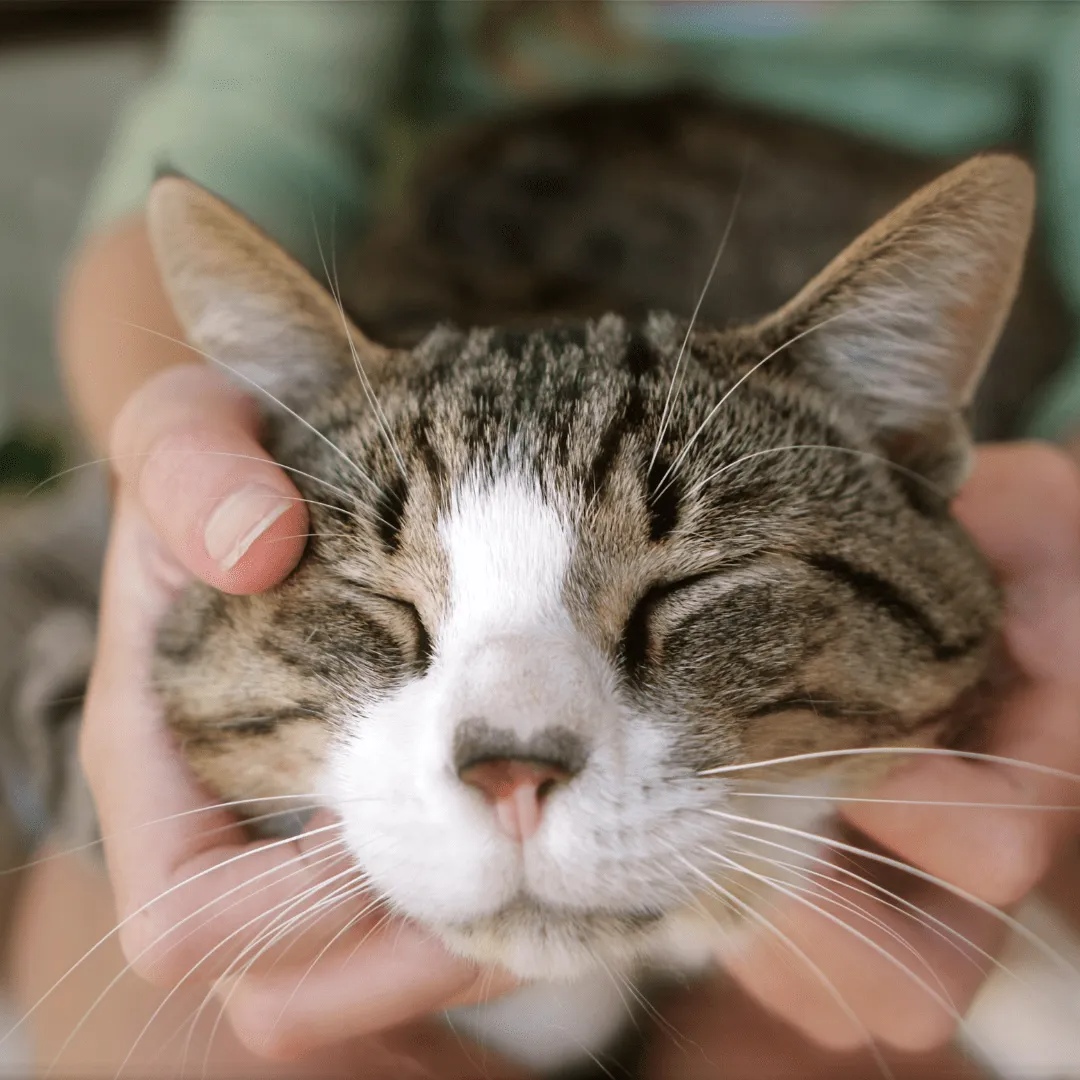
Tabby cat with closed eyes being gently held by hands, close-up portrait
September 29, 2026
Talking About How To Make Cats Happy And The Month-Long Holiday That Promotes Cat Happiness The month of September is celebrated by cat lovers everywhere as Happy Cat Month! Never heard of Happy Cat Month? Then you’re in luck because Cool Cats Professional Cat Sitting has you covered! This article will cover everything you need to know about Happy Cats Month, how to celebrate it, and some of the best ways to keep your cat happy. What Is Happy Cat Month? So what is Happy Cat Month? Happy Cat Month is a month-long holiday that aims to inform and educate cat owners about how to make their cats healthy and happy. It’s a common misconception that cats are self-sufficient pets. While most cats do have an independent nature, they are still very social creatures. Cats need lots of love & attention just like any other pet. Happy Cat Month is a friendly and celebratory way to educate people about the welfare, health, and importance of our feline friends.

A wildcat behind a wire fence, looking through the bars with one paw raised.
September 29, 2026
Covering Two Very Important Pet-Themed Holidays That Focus On Shelter Animals And The Struggles They Face The month of September contains several pet-themed awareness based holidays. Two of the most significant of these holidays are Adopt A Less Adoptable Pet Week and Remember Me Thursday. Both of these holidays are centered around shelter animals and the struggles they face. This article will discuss both of these holidays and offer various ways you can observe them. Adopt A Less Adoptable Pet Week The 3rd week of September is widely celebrated by pet lovers everywhere as Adopt A Less Adoptable Pet Week. This year (2023) Adopt A Less Adoptable Pet Week takes place from September 18th to September 24th. This week-long holiday was founded by PetFinder , an online searchable database of animals that need homes. Additionally, PetFinder also has a directory of nearly 11,000 animal shelters and adoption organizations. These animal shelters and adoption organizations span across the U.S., Canada, and Mexico. Adopt A Less Adoptable Pet Week was founded to raise public awareness about shelter animals that are often overlooked. Most of these animals are overlooked based solely on appearance. However, just because an animal doesn’t look perfect, doesn’t mean they are not worthy of adoption. Additionally, this also applies to senior pets or pets with special needs. Many people believe it would require too much effort to care for a senior pet or special needs pet. Caring for these types of pets may not be easy, but it is still very rewarding and humbling to do so. Remember Me Thursday Remember Me Thursday occurs every year on the last Thursday of September. This year (2023) it will take place on September 28th. This pet themed awareness based holiday was founded in 2013 by Helen Woodward Animal Center of San Diego . The focus of Remember Me Thursday is to raise awareness about the importance of pet adoption and all of the shelter animals that are in need of a forever home. Remember Me Thursday has made a huge impact in the world since its founding in 2013. More than 190 countries have supported Remember Me Thursday along with over 700 different animal welfare organizations worldwide. Additionally, more than 330 million people have helped spread awareness about Remember Me Thursday across various social media platforms. What started as a pet-themed holiday has now become a worldwide movement to inspire change in shelter animals’ lives.