

Are Home Visits Safer for Cats Than Boarding?

Cheui Rulona • September 25, 2026

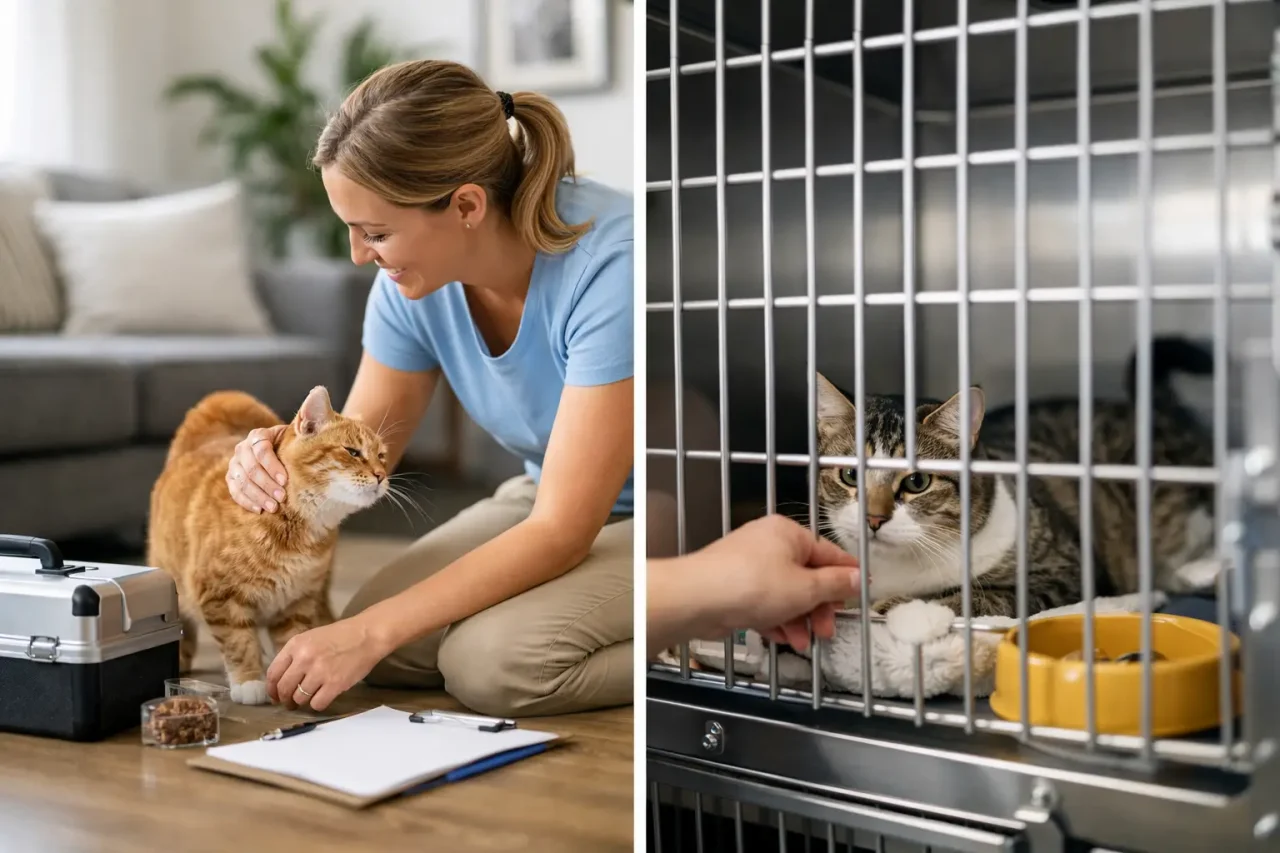
Your cat may be perfectly friendly at home, then disappear under the bed when a suitcase comes out. That reaction is not stubbornness. Cats often experience change as a threat to their security. So, are home visits safer for cats than boarding? For many healthy, social, and medically stable cats, professional visits at home are often the safer and less stressful choice because they preserve the territory, scents, routines, and hiding places your cat already trusts.


Safety is not only about preventing an accident. It is also about reducing stress, noticing changes quickly, following feeding and medication instructions correctly, and making sure a cat has dependable human care while you are away. The best option depends on your cat’s needs and the quality of care available, but home visits solve many of the challenges that make travel difficult for feline families.


Why home is often the safer place for a cat


Cats are territorial by nature. Their home is full of familiar signals: the scent of their favorite blanket, the sounds of the household, their preferred sunny windowsill, and the litter box location they have used for months or years. Remaining in that environment can help a cat feel more settled while their people are gone.


Boarding introduces a different setting, unfamiliar staff, new smells, nearby animals, and a transport experience that many cats find upsetting. Even a clean, well-run facility can be overwhelming for a sensitive cat. Some cats stop eating normally, hide, vocalize more, or develop digestive upset when their routine changes. A home visit does not eliminate every worry, but it avoids the major environmental disruption of packing up your cat and moving them into a new space.


There is also less exposure to illnesses that can circulate wherever animals gather. Boarding facilities work hard to maintain sanitation and vaccination standards, but shared air, shared handling areas, and close proximity to other pets can add risk. At home, your cat stays in their own environment with no contact with unfamiliar animals.


Are home visits safer when you are away for several days?


They can be, provided the visits are scheduled frequently enough and performed by a capable, reliable professional. Leaving a bowl of food and a full water dish is not the same as arranging daily care. Water can spill, automatic feeders can malfunction, litter boxes can become unpleasant, and a cat who seems fine on Monday may show signs of illness by Wednesday.


A professional cat sitter provides a set of watchful eyes each day. During a proper visit, the sitter can refresh food and water, scoop the litter box, clean up hairballs or accidents, and look for changes in appetite, energy, stool, urine output, breathing, mobility, or behavior. Those details matter, especially for senior cats, multi-cat homes, and cats with medical conditions.


Visit length should match the household rather than follow a one-size-fits-all rule. A confident adult cat who mostly naps may do well with a shorter daily visit, while a social cat, a kitten, a multi-cat household, or a cat needing medication may benefit from 45- or 60-minute visits. More time allows for unhurried play, brushing, petting, and observation instead of a rushed checklist.


Familiar routine is a real safety benefit


A cat’s routine can reveal a great deal about their well-being. If your cat usually races to the kitchen at breakfast but stays hidden, a sitter who knows their normal behavior has a useful clue. If a cat eats a particular food, drinks from a certain fountain, needs medication at a predictable time, or prefers play before dinner, keeping that rhythm can support both comfort and health.


This is why detailed instructions and a meet-and-greet are more than nice extras. They let a sitter learn where food is stored, how much to serve, which treats are appropriate, what normal litter box habits look like, and where a shy cat may hide. They also give you time to share veterinary information, emergency contacts, medication procedures, and the little personality details that make care feel personal.


A cat who hides during a visit is not necessarily unhappy. Many cats need time to warm up to a new person. A cat-focused sitter knows not to force interaction and can use calm body language, quiet conversation, treats if approved, and gentle play invitations. Respecting a cat’s boundaries is part of keeping them safe.


When boarding or veterinary care may be the better choice


Home visits are not automatically the right choice in every circumstance. A cat who needs continuous monitoring, frequent medical intervention, IV fluids, oxygen support, or round-the-clock observation may need a veterinary hospital or a specialized medical boarding arrangement. If your home has an active emergency such as severe heat loss, flooding, major construction damage, or an unsafe pest issue, moving your cat may also be necessary.


Some cats are also genuinely comfortable with boarding, particularly if they have used the same quiet, cat-only facility repeatedly and adapt well to new spaces. Their individual temperament should guide the decision. The goal is not to declare boarding bad. It is to choose the setting that gives your specific cat the most appropriate level of security and care.


For cats receiving pills, injections, or topical medications, ask direct questions before booking any service. Who will administer the medication? What experience do they have? How will they document that it was given? What happens if your cat refuses a dose or appears unwell? Clear answers protect your cat and give you fewer things to worry about from afar.


What makes an in-home visit truly safe?


Not every drop-in is equal. A neighbor may be kind, but dependable cat care requires more than remembering to fill a bowl. Look for a professional who is insured, experienced with feline behavior, comfortable following written care instructions, and prepared to communicate promptly if something changes.


Before you leave, make sure your sitter has current veterinary details, emergency contacts, a backup contact with access to decision-making authority, and clear instructions about your cat’s medical history. Leave enough food, litter, medication, and cleaning supplies for the full trip, plus extra in case travel plans shift. It also helps to identify carriers, hiding spots, trash procedures, and any doors or rooms that must remain closed.


Daily updates are one of the most reassuring parts of professional home care. A photo of your cat eating, stretching in a favorite spot, or batting at a toy cannot replace being home, but it offers meaningful confirmation that your furry family member has been seen and cared for. A good update should also mention practical details, such as meals served, litter box maintenance, medication given, and notable behavior.


How to prepare your cat for home visits


A calmer departure begins before the sitter’s first visit. Schedule a meet-and-greet so your cat can see the sitter in the home while you are present. Keep the interaction low-pressure, especially for cautious cats. Your sitter can learn the routine while your cat decides whether to investigate from the hallway, sofa, or safe hiding place.


Try to keep household changes to a minimum before a trip. Avoid switching food, moving the litter box, or introducing new toys at the last minute. Leave familiar bedding where your cat normally sleeps, and do not close off favorite rooms unless there is a safety reason. If you use cameras, tell your sitter in advance and place them only in appropriate common areas.


For local cat families, Cool Cats Professional Cat Sitting provides structured 30-, 45-, and 60-minute home visits designed around each cat’s normal routine. That can include feeding, fresh water, litter box care, playtime, affection, and medication support when arranged, along with daily photo updates for added peace of mind.


The safest care plan is the one that lets your cat remain comfortable, observed, and well-supported while you are gone. When home is your cat’s happy place, thoughtful professional visits can help it stay that way until you walk back through the door.

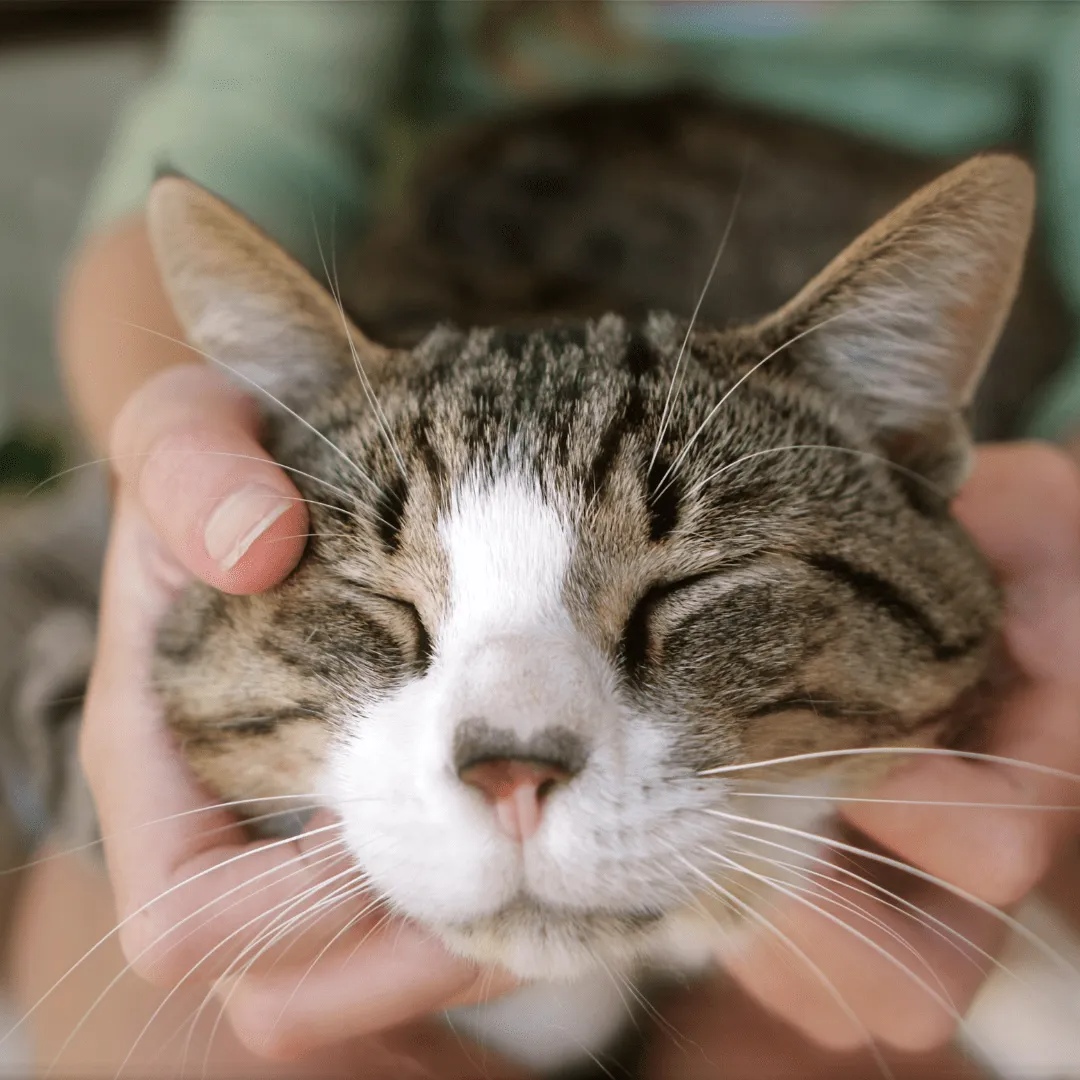
Tabby cat with closed eyes being gently held by hands, close-up portrait
September 29, 2026
Talking About How To Make Cats Happy And The Month-Long Holiday That Promotes Cat Happiness The month of September is celebrated by cat lovers everywhere as Happy Cat Month! Never heard of Happy Cat Month? Then you’re in luck because Cool Cats Professional Cat Sitting has you covered! This article will cover everything you need to know about Happy Cats Month, how to celebrate it, and some of the best ways to keep your cat happy. What Is Happy Cat Month? So what is Happy Cat Month? Happy Cat Month is a month-long holiday that aims to inform and educate cat owners about how to make their cats healthy and happy. It’s a common misconception that cats are self-sufficient pets. While most cats do have an independent nature, they are still very social creatures. Cats need lots of love & attention just like any other pet. Happy Cat Month is a friendly and celebratory way to educate people about the welfare, health, and importance of our feline friends.
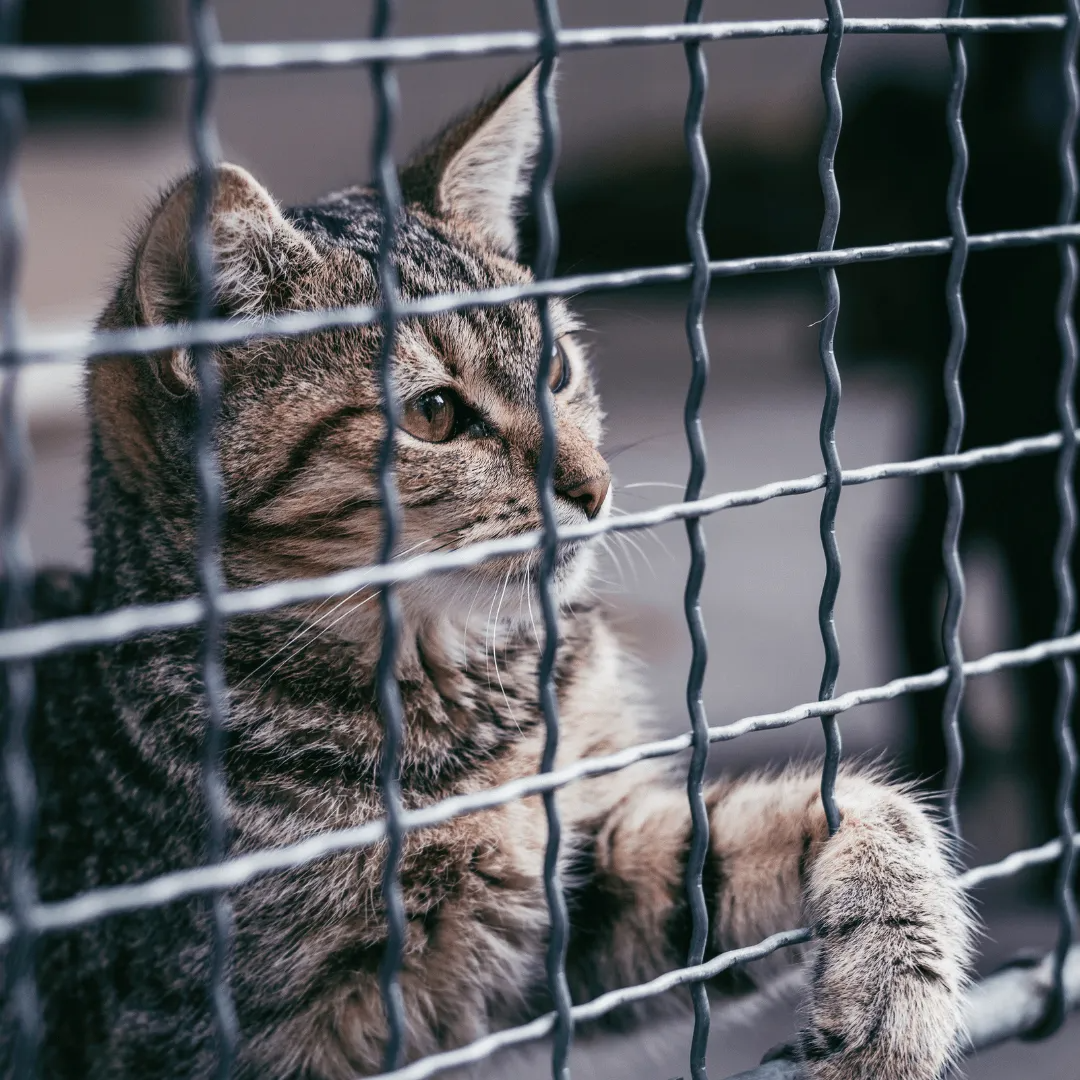
A wildcat behind a wire fence, looking through the bars with one paw raised.
September 29, 2026
Covering Two Very Important Pet-Themed Holidays That Focus On Shelter Animals And The Struggles They Face The month of September contains several pet-themed awareness based holidays. Two of the most significant of these holidays are Adopt A Less Adoptable Pet Week and Remember Me Thursday. Both of these holidays are centered around shelter animals and the struggles they face. This article will discuss both of these holidays and offer various ways you can observe them. Adopt A Less Adoptable Pet Week The 3rd week of September is widely celebrated by pet lovers everywhere as Adopt A Less Adoptable Pet Week. This year (2023) Adopt A Less Adoptable Pet Week takes place from September 18th to September 24th. This week-long holiday was founded by PetFinder , an online searchable database of animals that need homes. Additionally, PetFinder also has a directory of nearly 11,000 animal shelters and adoption organizations. These animal shelters and adoption organizations span across the U.S., Canada, and Mexico. Adopt A Less Adoptable Pet Week was founded to raise public awareness about shelter animals that are often overlooked. Most of these animals are overlooked based solely on appearance. However, just because an animal doesn’t look perfect, doesn’t mean they are not worthy of adoption. Additionally, this also applies to senior pets or pets with special needs. Many people believe it would require too much effort to care for a senior pet or special needs pet. Caring for these types of pets may not be easy, but it is still very rewarding and humbling to do so. Remember Me Thursday Remember Me Thursday occurs every year on the last Thursday of September. This year (2023) it will take place on September 28th. This pet themed awareness based holiday was founded in 2013 by Helen Woodward Animal Center of San Diego . The focus of Remember Me Thursday is to raise awareness about the importance of pet adoption and all of the shelter animals that are in need of a forever home. Remember Me Thursday has made a huge impact in the world since its founding in 2013. More than 190 countries have supported Remember Me Thursday along with over 700 different animal welfare organizations worldwide. Additionally, more than 330 million people have helped spread awareness about Remember Me Thursday across various social media platforms. What started as a pet-themed holiday has now become a worldwide movement to inspire change in shelter animals’ lives.