

In Home Cat Sitting That Keeps Cats Comfortable

Cheui Rulona • September 25, 2026

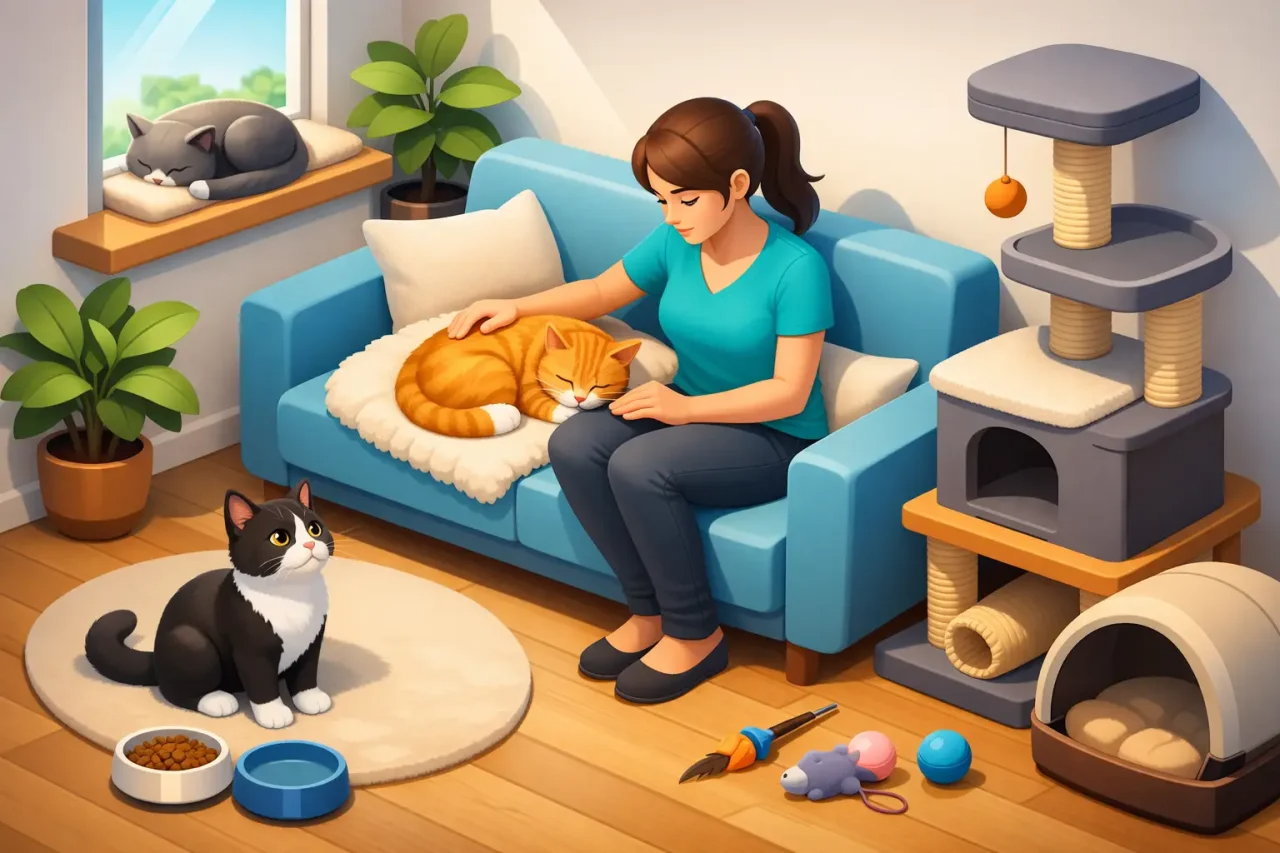
The suitcase is open, your plans are set, and then your cat notices that something is different. For many cats, a change in routine is enough to bring on hiding, skipped meals, or extra clinginess. In home cat sitting offers a gentler alternative to boarding by allowing your cat to stay in the place they know best: home.


That familiar scent, favorite sunny window, and established feeding routine matter more than many people realize. Whether you are traveling for work, taking a family vacation, or dealing with an extended absence, professional visits can provide the attentive care your furry family member needs without asking them to adjust to a new environment.


Why Cats Do Better With Care at Home


Cats are famously independent, but independence is not the same as being fine without support. They rely on predictable routines and familiar territory to feel secure. A boarding facility may be a reasonable option for some pets, but for many cats it brings unfamiliar sounds, smells, people, and the presence of other animals. Even a social cat can find that stressful.


With in home cat sitting, your cat stays in their own space while a trained sitter follows the instructions that make their day feel normal. Meals arrive on schedule. Water is refreshed. The litter box is maintained. Playtime happens with toys your cat already recognizes, and a shy cat can receive calm, patient companionship without being pushed beyond their comfort zone.


Home visits also allow for meaningful observation. A professional sitter can notice if food is being left behind, water intake seems unusual, the litter box looks different, or a normally outgoing cat is hiding. These details can be especially valuable for senior cats, cats with chronic conditions, and multi-cat households where changes are easy to miss when everyone is rushing out the door.


What a Professional Cat Sitter Does During Each Visit


A good visit is more than filling a bowl and heading back out. Cats need clean essentials, stimulation, affection on their terms, and someone who is paying attention. The right visit length depends on your household, your cat’s personality, and the tasks required that day.


At Cool Cats Professional Cat Sitting, LLC, scheduled 30-, 45-, and 60-minute visits are built around each cat’s normal routine. Before a trip, a meet-and-greet gives you time to explain feeding preferences, hiding spots, favorite toys, medication needs, and the small quirks that make your cat uniquely yours.


During a typical visit, a sitter may refresh food and water exactly as instructed, scoop and tidy litter areas, clean up hairballs or accidents, and spend dedicated time playing, brushing, petting, or snuggling. Not every cat will want the same kind of interaction. One may greet the sitter at the door and demand wand-toy play, while another may prefer a quiet voice and a treat placed near their favorite hiding place. Cat-specific care means respecting both personalities.


For households with more than one cat, a longer visit can make a real difference. It gives the sitter time to confirm that each cat has eaten, check individual litter box habits, and make sure the confident cat is not monopolizing the attention or food. It also creates room for care tasks without turning companionship into an afterthought.


Medication Support for Cats Who Need Extra Care


Travel can feel especially difficult when your cat takes daily medication. Skipping a dose, struggling with a pill, or worrying whether an injection was administered correctly can take the joy out of time away.


An experienced cat sitter can provide a practical layer of support. Pills, topical medications, and injections may be administered for an additional charge when arranged in advance. The key is clear instructions and a sitter who understands that medication time is not one-size-fits-all. Some cats accept a pill pocket; others need a more careful approach. A professional will work with the routine your cat already knows whenever possible.


It is wise to leave medications clearly labeled, provide your veterinarian’s information, and explain what a successful dose looks like for your cat. If your cat is newly diagnosed or has a complicated medical condition, discuss the care plan early so there is time to determine the right visit schedule and whether in-home care is the appropriate fit.


Choosing the Right Visit Length and Schedule


There is no single visit plan that suits every cat. A healthy adult cat with a simple feeding routine may do well with a shorter daily check-in for a brief trip. A senior cat, a cat taking medication, or a highly social cat may benefit from longer visits or more than one visit per day.


Think about your cat’s real needs rather than the minimum amount of care they could technically receive. Does your cat eat wet food that should not sit out all day? Do they need insulin or another time-sensitive medication? Are they prone to stress-related vomiting? Do they become lonely or destructive when their people are gone? These answers help determine the right level of care.


A 30-minute visit can be a good fit when essential care is straightforward and your cat is comfortable with a shorter check-in. A 45-minute visit provides more breathing room for play, brushing, and multi-cat routines. A 60-minute visit is often ideal for cats who need medication, extra social time, detailed cleanup, or careful monitoring.


The schedule matters just as much as the duration. Cats often anticipate meals and interaction at certain times. When possible, ask for visit windows that closely match your usual routine. That consistency can reduce stress and help a sitter identify changes more quickly.


What to Leave for Your Cat Sitter


Preparation makes care smoother for everyone, especially your cat. Before you leave, make sure there is enough food, litter, treats, cleaning supplies, and medication for the full trip, plus a little extra in case travel plans change. Keep supplies in an easy-to-find location instead of scattered across cabinets.


Your written instructions should be detailed but practical. Include feeding amounts and times, litter box locations, medication directions, your veterinarian’s contact information, emergency contacts, and any behaviors the sitter should know about. Mention if your cat likes to slip through doors, hides when strangers arrive, becomes anxious during storms, or has a special phrase that brings them running.


It also helps to share what is normal for your cat. A sitter needs to know whether your cat typically nibbles throughout the day, drinks from the faucet, sleeps under the bed, or ignores toys until the third attempt. Familiar habits provide the context needed to spot a genuine concern.


Daily Updates Turn Worry Into Reassurance


The hardest part of leaving a cat is often not the logistics. It is the quiet question that pops up when you are away: Is she eating? Did he come out today? Does she seem like herself?


Daily photo updates by text, email, or app answer those questions with something far better than guesswork. Seeing your cat enjoying a meal, stretching in a favorite spot, or engaging in play can bring purr-fect peace of mind. Updates also create accountability. You know your sitter arrived, completed the requested care, and spent time with your cat.


For anxious cats, the first update may show only a pair of watchful eyes from beneath a bed. That can still be good information. A skilled sitter will build trust at the cat’s pace, report honestly on behavior, and keep you informed as your cat becomes more comfortable.


A Local Care Partner Makes Travel Easier


Choosing a sitter is about trust. You are inviting someone into your home and asking them to care for a family member who cannot explain what they need. Look for insured, experienced professionals who focus on cats, offer a meet-and-greet, communicate clearly, and can follow detailed instructions rather than applying a generic pet-care routine.


For cat families in Apex, Cary, Holly Springs, Fuquay-Varina, Raleigh, and Morrisville, local professional care means help is close by when you need it. Transparent per-visit pricing beginning at $28 also makes it easier to choose the level of care that fits your cat and your trip.

Before your next time away, give your cat the comfort of staying where they feel safest. A familiar home, a dependable routine, and a caring person who understands cats can make all the difference when you cannot be there yourself.


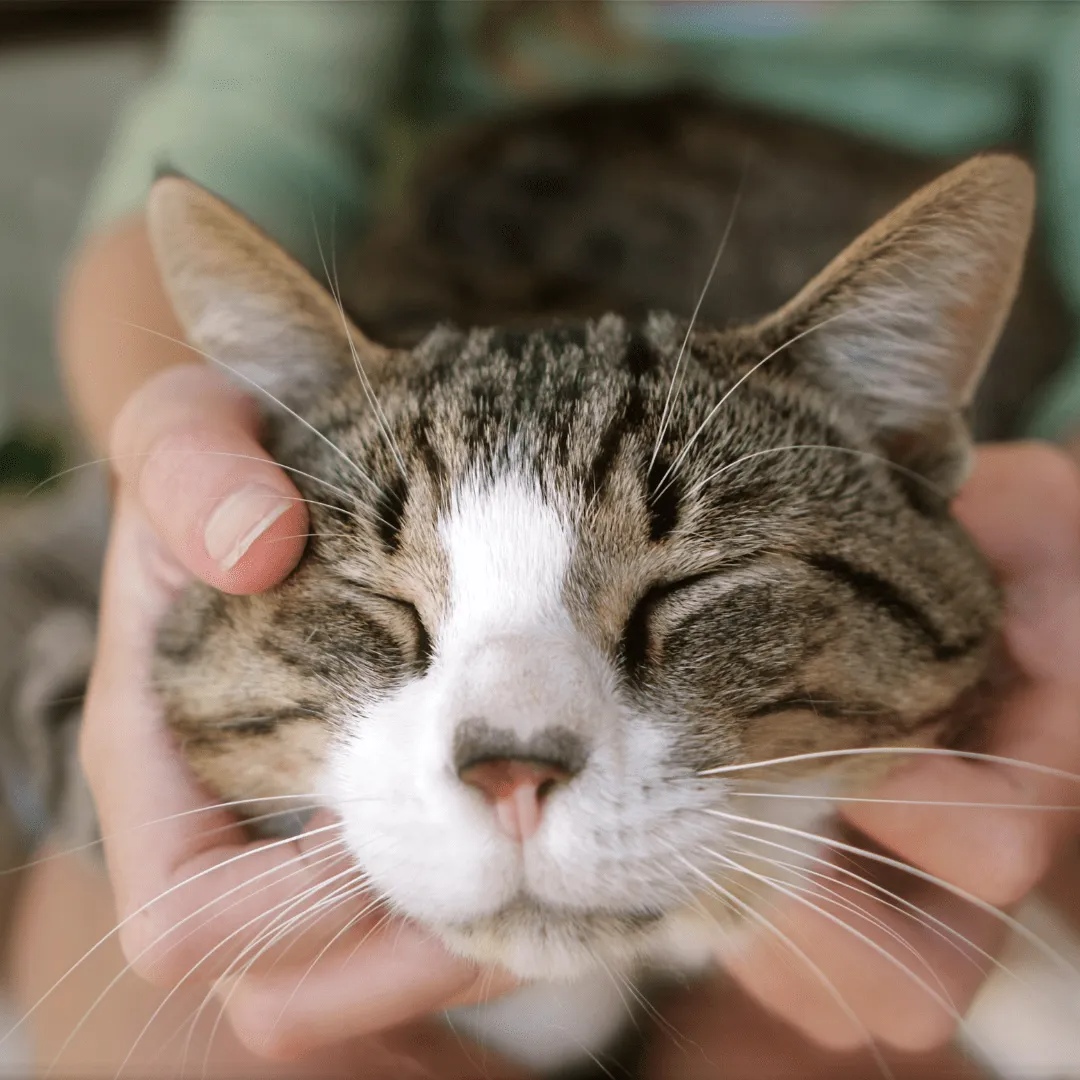
Tabby cat with closed eyes being gently held by hands, close-up portrait
September 29, 2026
Talking About How To Make Cats Happy And The Month-Long Holiday That Promotes Cat Happiness The month of September is celebrated by cat lovers everywhere as Happy Cat Month! Never heard of Happy Cat Month? Then you’re in luck because Cool Cats Professional Cat Sitting has you covered! This article will cover everything you need to know about Happy Cats Month, how to celebrate it, and some of the best ways to keep your cat happy. What Is Happy Cat Month? So what is Happy Cat Month? Happy Cat Month is a month-long holiday that aims to inform and educate cat owners about how to make their cats healthy and happy. It’s a common misconception that cats are self-sufficient pets. While most cats do have an independent nature, they are still very social creatures. Cats need lots of love & attention just like any other pet. Happy Cat Month is a friendly and celebratory way to educate people about the welfare, health, and importance of our feline friends.
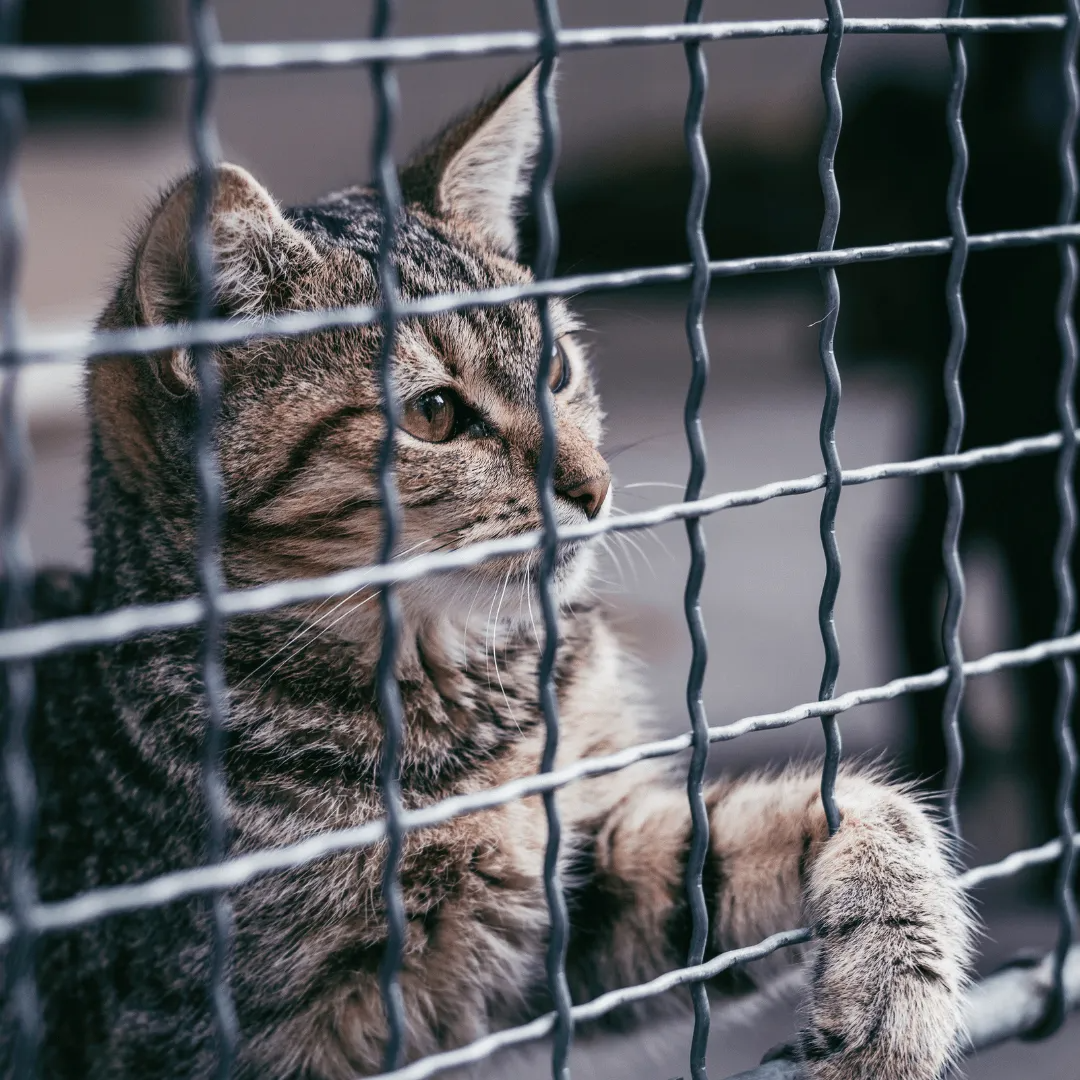
A wildcat behind a wire fence, looking through the bars with one paw raised.
September 29, 2026
Covering Two Very Important Pet-Themed Holidays That Focus On Shelter Animals And The Struggles They Face The month of September contains several pet-themed awareness based holidays. Two of the most significant of these holidays are Adopt A Less Adoptable Pet Week and Remember Me Thursday. Both of these holidays are centered around shelter animals and the struggles they face. This article will discuss both of these holidays and offer various ways you can observe them. Adopt A Less Adoptable Pet Week The 3rd week of September is widely celebrated by pet lovers everywhere as Adopt A Less Adoptable Pet Week. This year (2023) Adopt A Less Adoptable Pet Week takes place from September 18th to September 24th. This week-long holiday was founded by PetFinder , an online searchable database of animals that need homes. Additionally, PetFinder also has a directory of nearly 11,000 animal shelters and adoption organizations. These animal shelters and adoption organizations span across the U.S., Canada, and Mexico. Adopt A Less Adoptable Pet Week was founded to raise public awareness about shelter animals that are often overlooked. Most of these animals are overlooked based solely on appearance. However, just because an animal doesn’t look perfect, doesn’t mean they are not worthy of adoption. Additionally, this also applies to senior pets or pets with special needs. Many people believe it would require too much effort to care for a senior pet or special needs pet. Caring for these types of pets may not be easy, but it is still very rewarding and humbling to do so. Remember Me Thursday Remember Me Thursday occurs every year on the last Thursday of September. This year (2023) it will take place on September 28th. This pet themed awareness based holiday was founded in 2013 by Helen Woodward Animal Center of San Diego . The focus of Remember Me Thursday is to raise awareness about the importance of pet adoption and all of the shelter animals that are in need of a forever home. Remember Me Thursday has made a huge impact in the world since its founding in 2013. More than 190 countries have supported Remember Me Thursday along with over 700 different animal welfare organizations worldwide. Additionally, more than 330 million people have helped spread awareness about Remember Me Thursday across various social media platforms. What started as a pet-themed holiday has now become a worldwide movement to inspire change in shelter animals’ lives.