
Boarding Versus Homecare: What Cats Prefer

The suitcase comes out, and many cats notice before you have even started packing. For families deciding between boarding versus homecare, the real question is rarely just who will feed the cat. It is whether your furry family member can stay comfortable, safe, and cared for in a way that respects their personality while you are away.
Cats are often perceived as independent, but they are also creatures of routine. Their favorite windowsill, familiar litter box, usual meal schedule, and quiet hiding spots all help them feel secure. That is why in-home cat care is often the gentler choice for cats, particularly during a work trip, vacation, or family emergency.
Boarding Versus Homecare: The Biggest Difference

boarding vs homecare
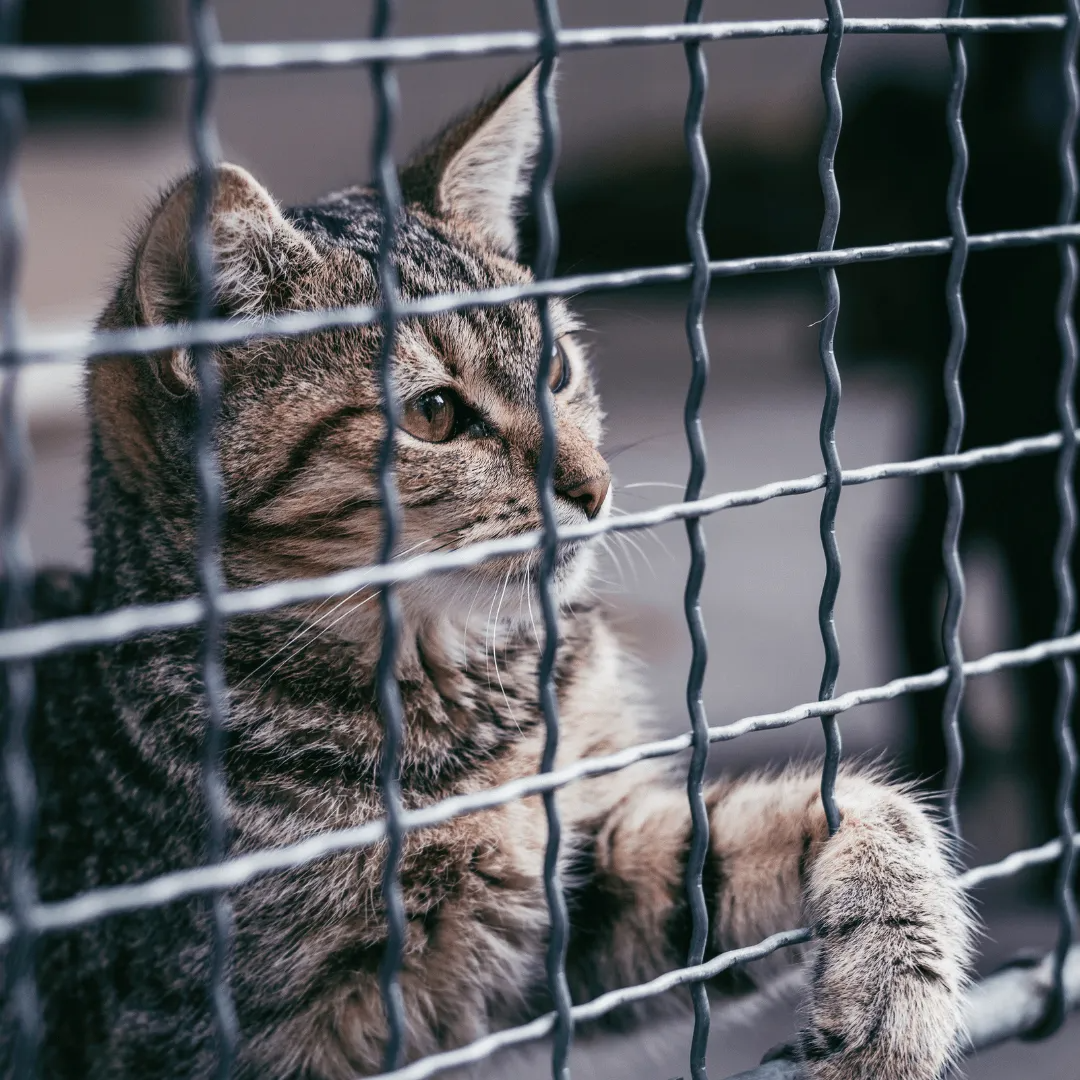
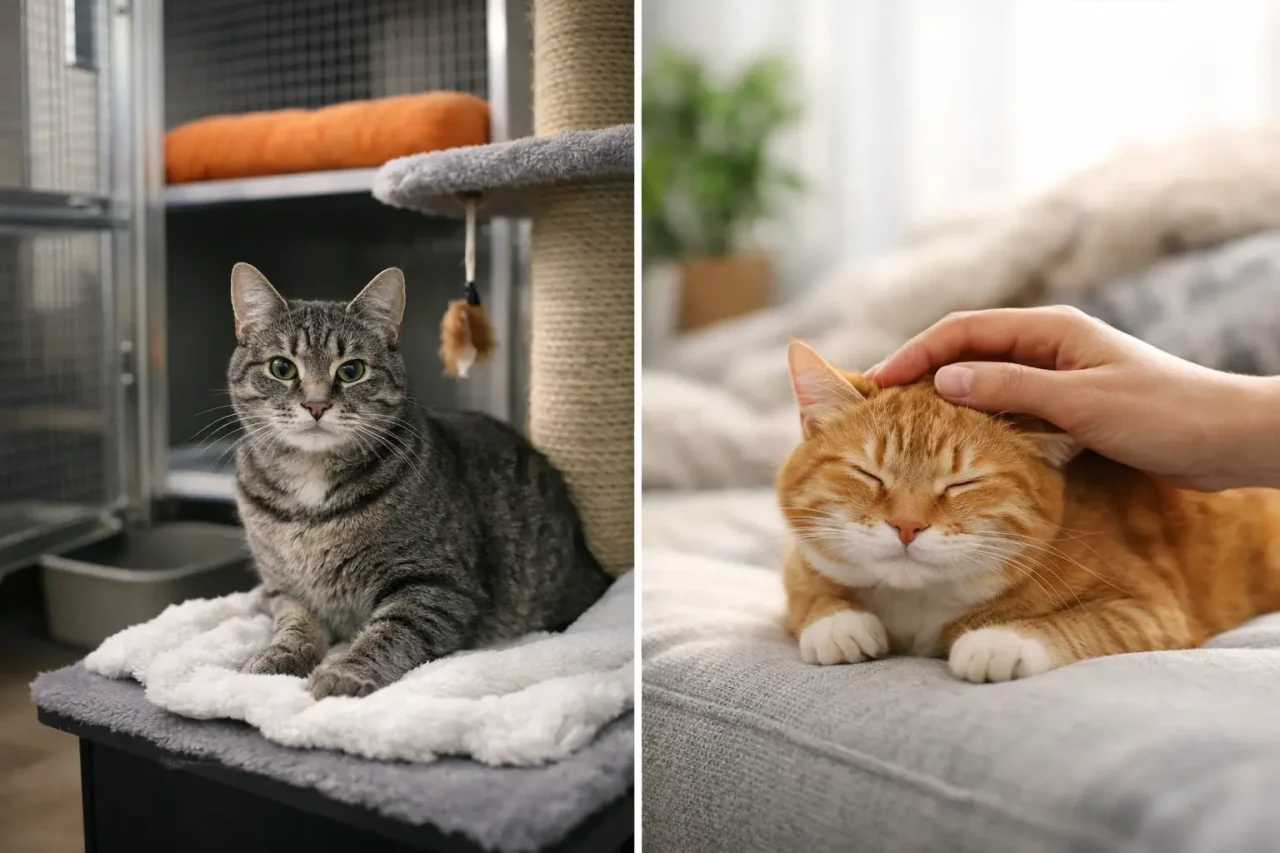
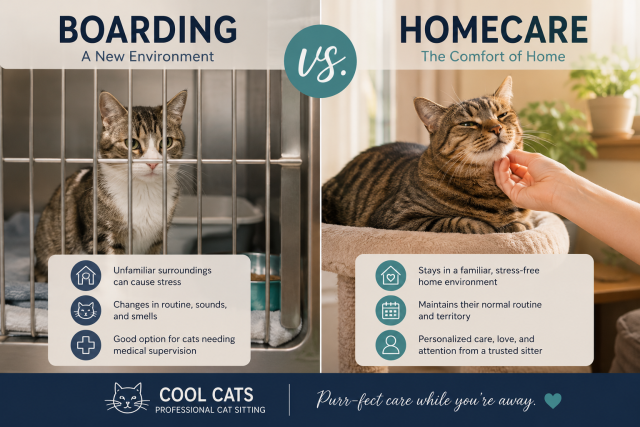
Boarding takes a cat out of their familiar territory and places them in a new environment, often with unfamiliar sounds, scents, people, and animals nearby. Some cats adjust reasonably well, especially if they have boarded before and are naturally outgoing. Others may hide, stop eating normally, vocalize more than usual, or become stressed by the change.
Homecare keeps the cat where they know they belong. A professional sitter comes to the home on a scheduled basis, following the instructions you provide for meals, water, litter care, medication, play, and affection. Instead of asking your cat to adapt to a temporary space, care is built around the routine they already understand.
Neither option is automatically right for every situation. A cat who needs constant veterinary monitoring may need a medical boarding setting or hospitalization recommended by their veterinarian. For most healthy cats, seniors, multi-cat households, and cats who are sensitive to change, however, visits at home offer meaningful advantages.
Why Familiar Territory Matters So Much to Cats
Cats communicate and make sense of their environment through scent. Home smells like their people, their bedding, their scratcher, their food, and the other pets in the household. Even a loving, clean boarding facility cannot fully recreate that sense of ownership and predictability.
At home, your cat can sleep in their usual place and follow their preferred daily rhythm. The confident cat can greet the sitter at the door. The shy cat can observe from under the bed until they feel ready. Both responses are normal, and both can be handled with patience by a cat-focused professional.
Routine also makes changes easier to spot. If a cat who usually runs to the kitchen does not come out for breakfast, or if the litter box looks different from normal, a trained sitter has a familiar baseline to work from. That attention can be especially reassuring for senior cats, cats with digestive sensitivities, and cats with ongoing health needs.
What Professional Home Visits Can Include
Homecare should be more than a quick bowl refill. A thoughtful visit combines essential care with observation and personal attention. At Cool Cats Professional Cat Sitting, scheduled 30-, 45-, and 60-minute visits are designed around the individual cat and the household’s instructions.
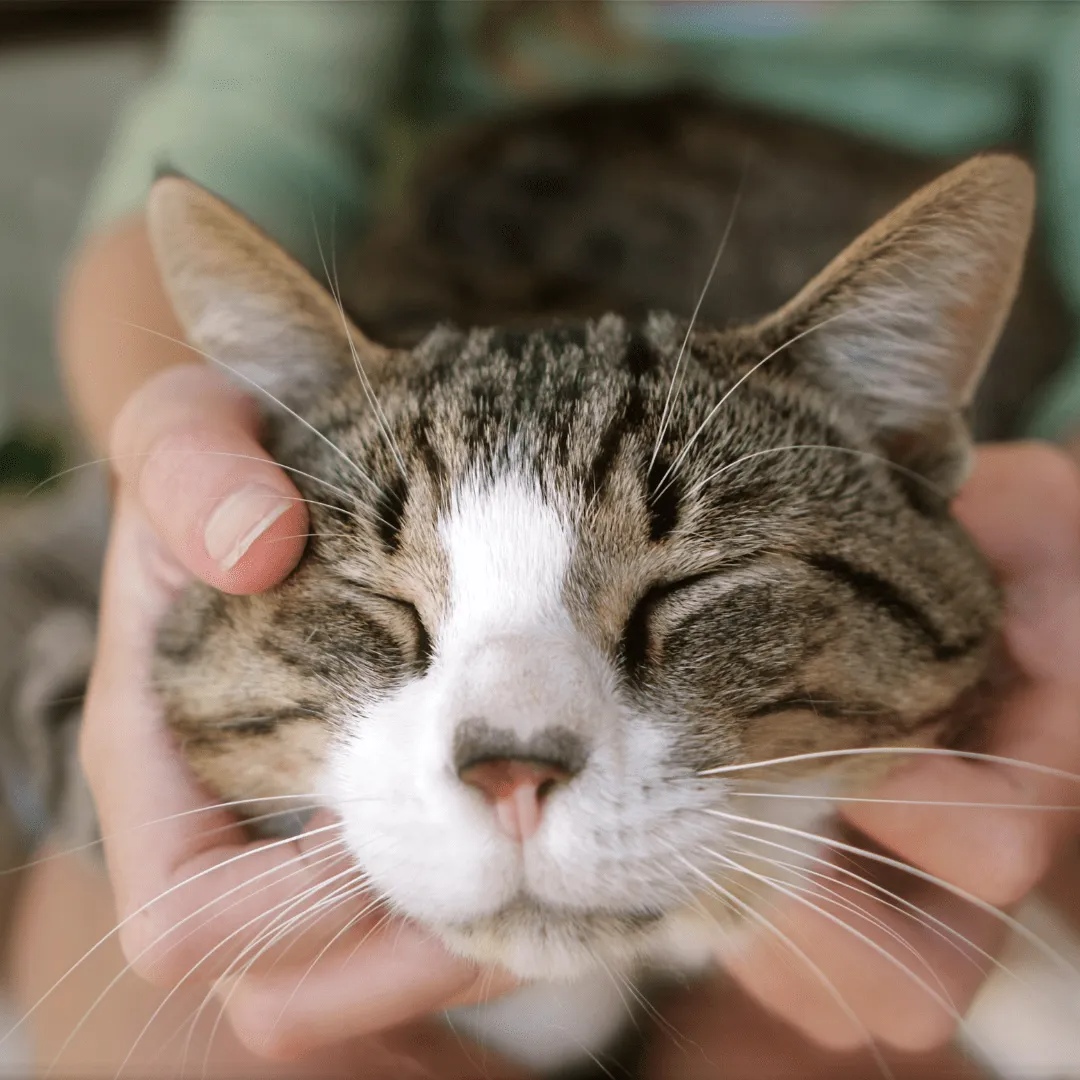
During a visit, a sitter can provide carefully portioned food, refresh water, scoop and maintain litter boxes, and clean up hairballs or accidents when needed. They can also make time for wand-toy play, brushing, petting, conversation, or a calm snuggle session for cats who enjoy it. For a busy multi-cat home, the added time can make a real difference because each cat may need attention in a different way.
Professional in-home care also provides a regular set of eyes on your home. Your sitter can notice a spilled water bowl, a cat that seems unusually withdrawn, signs of vomiting, or an empty food supply before a small problem becomes more stressful. Daily photo updates by text, email, or app give you a welcome glimpse of how your cat is doing, not just a promise that someone stopped by.
Medication Is a Deciding Factor for Many Families
If your cat receives medication, leaving them with a neighbor or asking a friend to “just pop in” can feel risky. Pills, topical treatments, and injections require more than good intentions. They require confidence, careful instructions, and the ability to notice if something seems off.
Boarding may be appropriate if your veterinarian recommends a facility-based medical plan. But for cats whose medication can be safely given at home, homecare can spare them the extra stress of travel and an unfamiliar enclosure. Professional cat sitters can administer pills, injections, and topical medications for an additional charge, following the care plan you and your veterinarian have established.
Before any trip, be transparent about your cat’s medical history, medication timing, appetite patterns, and emergency contacts. A meet-and-greet is the ideal time to demonstrate your cat’s routine and talk through what helps them feel calm. A good care plan is specific: where the medication is kept, how it is given, what success looks like, and who should be contacted if there is a concern.
The Practical Side: Cost, Timing, and Travel Logistics
Boarding can seem straightforward because it places everything in one location, but it also requires transport, packing, check-in, and pickup within the facility’s hours. Cats who dislike carriers may become stressed before their stay even begins. When you return, they may need time to settle back into the home.
With homecare, there is no car ride or transition back from a kennel. You choose a visit schedule that fits your cat’s needs and your time away. Pricing at Cool Cats begins at $28 per visit, with visit length selected according to the household, personality, and care requirements involved.
A single social adult cat may do well with consistent daily care, while a kitten, a cat receiving medication, or a home with several cats may benefit from longer or more frequent visits. It is not about choosing the most elaborate plan. It is about choosing enough time for proper care, observation, and meaningful interaction rather than rushing through a checklist.
When Boarding May Be the Better Fit
Homecare is not a one-size-fits-all answer, and trustworthy guidance should say so. Boarding may be worth considering if your cat needs a level of medical supervision that cannot safely be provided through scheduled visits. It may also suit a particularly adaptable cat who has done well at a quiet, high-quality cat-only facility in the past.
If you choose boarding, ask practical questions. Find out how cats are housed, whether dogs are nearby, how medication is handled, what happens if your cat refuses food, and whether staff are present overnight. Tour the space if possible, and pay attention to odor, cleanliness, noise, and the staff’s willingness to discuss your cat as an individual.
For many cats, though, the better question is not whether they can tolerate boarding. It is whether they need to leave home at all.
How to Choose the Right Care Plan for Your Cat
Start with your cat’s normal behavior. Are they cautious with visitors or easily unsettled by a carrier? Do they hide when routines change, or do they greet new people with curiosity? Consider their age, health, feeding needs, litter-box habits, and relationship with other cats in the home.
Then consider your own peace of mind. Can you leave clear instructions and trust that they will be followed? Will you receive updates that show how your cat is doing? Is the caregiver insured, experienced with cats, and prepared to communicate if something unusual occurs? Those details matter far more than a vague promise to “watch the cat.”
For cat owners in Apex, Cary, Holly Springs, Morrisville, Fuquay-Varina, and Raleigh, a meet-and-greet with a professional sitter gives you space to ask these questions before travel day. It also gives your cat a chance to see that this new person arrives calmly, respects their space, and becomes part of a familiar routine.
Your cat may not understand why you have to go away, but they can understand the comfort of their own home, a clean litter box, a familiar meal, and a kind person showing up right on time. That consistency is a small gift to leave behind, and it can make coming home feel purr-fectly normal again.