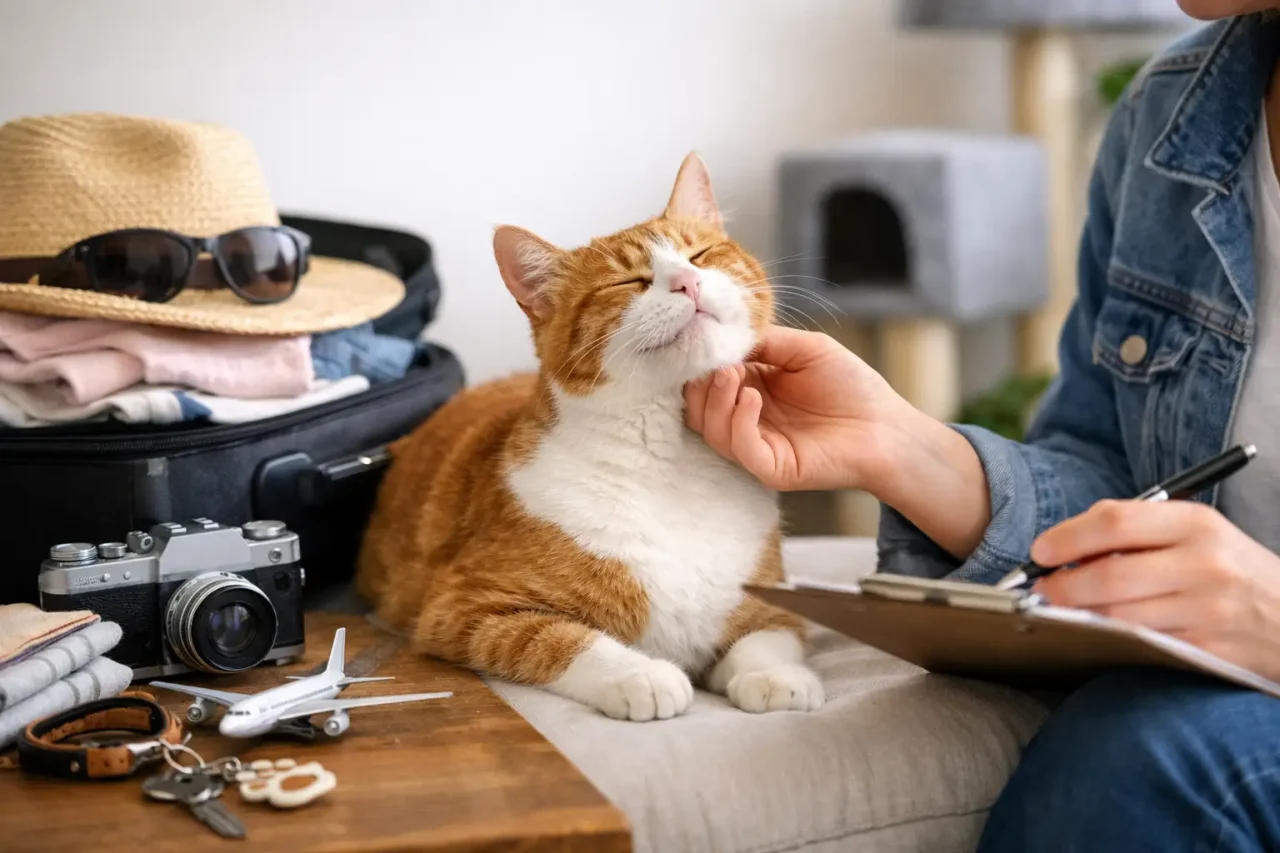
A full food bowl is not the same thing as a well-cared-for cat. When you choose cat visit duration, you are deciding how much time someone will have to notice a skipped meal, scoop the
litter box thoroughly, offer comfort, and make sure your furry family member is acting like themselves. For cats who thrive on familiar routines, the right visit length can make time away from home feel far less disruptive.
The best choice is not always the shortest visit that covers the basics, and it is not automatically the longest visit either. It depends on your cat’s health, household setup, temperament, and the details of their normal day. A thoughtful plan gives your cat attentive care and gives you purr-fect peace of mind while you travel.
Start With What Your Cat Needs Every Day
Most cats need more than a quick refill of food and water. A professional sitter should have time to refresh water, serve meals exactly as instructed, clean the litter box, check for accidents or hairballs, and look for changes in appetite, energy, breathing, mobility, or bathroom habits. Those ordinary observations can be especially meaningful when a cat is quiet or skilled at hiding discomfort.
Then there is the emotional side of care. Some cats greet a sitter at the door and want wand-toy play, brushing, and lap time. Others are shy at first but slowly build trust through calm, consistent visits. Both cats deserve care that respects their pace.
A visit should also leave room for the little things that happen in real homes: a knocked-over water dish, scattered litter, an unexpected hairball, or a cat who has decided breakfast belongs under the sofa. Choosing enough time means the sitter can handle those moments without rushing through your cat’s routine.
How to Choose C
at Visit Duration by Visit Length
Cool Cats Professional Cat Sitting offers scheduled 30-, 45-, and 60-minute visits because cats and homes do not all need the same level of attention. Here is how each option generally fits.
A 30-minute visit for routine-focused care
A 30-minute visit can be a good fit for a healthy adult cat with a straightforward routine, especially when there is one or two cats, no medication needs, and a cat who prefers a brief check-in over extended social time. This window allows for feeding, water refreshes, litter-box maintenance, a wellness check, cleanup, and some affection or play.
It works best when instructions are clear and the home setup is simple. For example, a confident, independent cat who eats readily and enjoys a few minutes with a feather toy may be perfectly content with a focused 30-minute visit.
The trade-off is time. If the litter box needs extra attention, your cat has an accident, or they are unusually clingy that day, there is less flexibility for a longer play session or brushing. A shorter visit should never mean rushed care, so it is wise to choose a longer appointment when your cat’s needs regularly fill that half hour.
A 45-minute visit for balance and breathing room
For many households, 45 minutes is the comfortable middle ground. It provides time for the full care routine plus meaningful interaction, without asking the sitter to squeeze everything into a short window. This can be an especially reassuring choice for social cats, cats that enjoy daily play, or homes with multiple litter boxes.
A 45-minute visit also gives the sitter more time to observe a cat who is hiding, hesitant to eat, or behaving differently than usual. Rather than simply confirming that supplies are available, they can patiently encourage engagement and make a clearer assessment of how your cat is doing.
This length often works well for a pair of cats with different personalities. One may be ready for cuddles while the other needs gentle play or quiet conversation from a respectful distance. Both can receive individual attention instead of sharing a rushed check-in.
A 60-minute visit for extra support and connection
A 60-minute visit is a strong choice for multi-cat families, senior cats, highly social cats, and cats with more involved routines. It creates room for detailed care, longer play and enrichment, brushing, cleanup, and calm companionship. For cats who become lonely or anxious when their people are away, that unhurried presence can be deeply comforting.
Longer visits are also useful when medication is part of the plan. Pills, injections, and topical treatments may require preparation, patience, and a little feline negotiation. A cat who takes medication easily may not need an hour solely for that task, but a longer visit gives the sitter time to administer it carefully and still provide the rest of the care your cat deserves.
Consider 60 minutes if you have three or more cats, several feeding stations, a large home, or a cat whose litter-box habits need close monitoring. It is also a kind option for cats who need frequent brushing, mobility support, or extra attention after a recent illness.
Frequency Matters as Much as Visit Length
Choosing the right duration is only half the decision. You also need to consider how often your cat should be seen. For most cats, daily professional visits are the minimum standard when you are away overnight. Fresh water can spill, automatic feeders can malfunction, and a change in litter-box use can be an early sign that something is wrong.
Twice-daily visits may be appropriate for cats who eat scheduled meals, need medication at set times, are diabetic, or need closer health observation. Kittens and very social cats can benefit from more frequent contact, too. On the other hand, a calm adult cat with a stable routine may do beautifully with one thoughtfully planned daily visit.
Avoid making the decision based only on whether your cat seems independent when you are home. Cats often nap for long stretches, but that does not mean they should be left without a daily in-person wellness check. Their quiet nature is one reason a trained, attentive sitter is so valuable.
Consider Personality, Not Just Age
Age offers useful clues, but personality tells the fuller story. A playful young cat may need a 45- or 60-minute visit because they need active play to settle and stay engaged. A senior cat may want gentle companionship, help monitoring food intake, and extra time for medication or litter-box care.
Shy cats need thoughtful planning as well. They may not come out immediately, particularly during the first day or two of a trip. A longer visit gives the sitter time to sit quietly, use treats or soft conversation, and let trust build without forcing contact. Even if a shy cat remains under the bed, the sitter can still check food, water, litter-box output, and signs that they are moving around safely.
Some cats are highly people-oriented and may vocalize, follow the sitter from room to room, or seek lap time after the practical tasks are done. For them, social time is not an extra. It is part of maintaining their normal sense of security.
Build in Time for Your Home’s Real Routine
Before choosing a visit length, picture everything your sitter will need to do. Count the cats, bowls, litter boxes, feeding areas, medications, and rooms they may need to check. Think about whether cats eat separately, whether one cat guards resources, or whether special cleanup is common.
A meet-and-greet is the ideal time to share these details. Show the sitter where supplies are kept, explain your cat’s usual habits, and mention anything that would be out of character. A cat who normally races to dinner but does not appear at mealtime deserves more attention than a cat who simply prefers to nap in a favorite closet.
Daily photo updates can make the right care plan feel tangible. Seeing your cat eating, playing, relaxing, or receiving a gentle chin scratch helps replace travel worry with reassurance. It also keeps you connected to the small moments you would otherwise miss.
When a Longer Visit Is the Better Value
It can be tempting to select the shortest appointment to keep trip costs lower. Yet a longer visit can offer better value when it prevents the need to compromise on play, hygiene, observation, or individual attention. This is particularly true for households with multiple cats, where each additional cat adds more than another scoop of food.
Think of the duration as protected time for your cat, not just a task list. A sitter who can finish the essentials, then sit with your cat long enough to observe their mood and behavior, is better positioned to recognize a concern early. That time also supports the consistency cats rely on when their favorite people are away.
For families in Apex, Cary, Holly Springs, Morrisville, Fuquay-Varina, and Raleigh, a cat-only professional can help match the schedule to your home rather than asking your cat to fit a generic boarding routine. Insured, experienced care and clear visit instructions create a dependable plan from the first day of your trip to the moment you return.
If you are deciding between two visit lengths, choose the one that leaves room for your cat to be a cat: to eat at their own pace, investigate a toy, accept affection if they want it, and receive a careful check from someone who knows their routine. That extra breathing room can be one of the kindest parts of leaving them safely at home.