


How Often Should a Cat Sitter Visit Each Day?

Cheui Rulona • September 25, 2026

Leaving a full bowl of food and an extra water dish can feel like a practical plan until you picture your cat alone on day two. The real question is not simply how often should cat sitter visit, but what your individual cat needs to feel safe, comfortable, and well cared for while you are away. For most adult cats, a professional sitter should visit at least once every day. Many cats, especially social cats, seniors, kittens, or cats with medical needs, are happier and safer with two visits a day.


Cats may have a reputation for independence, but they still rely on us for clean water, fresh food, litter-box care, companionship, and a watchful eye. A daily visit gives someone the chance to notice subtle changes before they become a bigger concern. It also means your furry family member can stay in the home, routines, scents, and favorite nap spots they know best.


How Often Should a Cat Sitter Visit for Most Cats?


For a healthy adult cat on a short trip, one quality visit every 24 hours is the minimum we recommend. That visit should be more than a quick food-and-litter stop. A sitter needs time to refresh water, serve meals exactly as instructed, scoop the litter box, clean up any hairballs or accidents, and check that your cat is behaving normally.


A once-daily visit can work well for a confident, healthy cat who is used to quiet time and has no medication schedule. It is especially appropriate for a one- or two-night getaway, provided the visit is thorough and your cat has reliable access to everything they need between visits.


Still, minimum care and ideal care are not always the same. Two visits a day create a more consistent rhythm: breakfast and dinner, two litter-box checks, more opportunities for play and affection, and a second chance to spot a change in appetite, bathroom habits, energy, or breathing. For many households, that extra check-in brings meaningful purr-fect peace of mind.


When Twice-Daily Cat Sitting Is the Better Choice


Some cats should not wait a full 24 hours between professional check-ins. Twice-daily visits are often the wiser choice when a cat is young, elderly, anxious, highly social, or managing a health condition.


Kittens need frequent meals, active play, and close supervision. Their curiosity can lead them into cabinets, cords, plants, or other trouble surprisingly fast. A sitter who visits morning and evening can keep their routine steadier while making sure they are eating, using the litter box, and settling normally.


Senior cats benefit from more frequent observation, too. A senior who is usually predictable may have changes in mobility, appetite, thirst, or litter-box habits that deserve prompt attention. A second visit provides another opportunity to offer gentle companionship, refresh supplies, and report anything that looks different.


Cats receiving pills, injections, or topical medication must be scheduled around their prescribed treatment plan. If medication is required twice daily, the answer is straightforward: your sitter needs to visit twice daily. Do not skip or shift doses simply because you are traveling.


Professional support is particularly valuable when medication administration is stressful for your cat or difficult for a friend or neighbor to handle confidently.


Consider two visits daily if your cat is any of the following:


  • A kitten, senior cat, or cat recovering from illness or surgery
  • Taking medication or following a timed feeding plan
  • Prone to stress, hiding, vomiting, urinary concerns, or digestive upset
  • Very people-oriented, bored easily, or part of a multi-cat household


A multi-cat home does not always require twice-daily service, but it often benefits from it. More cats mean more water bowls, more litter boxes, more personalities, and more chances for one quiet cat to be overlooked. Regular, unhurried care helps a sitter see who ate, who used the box, and who may be acting out of character.


Visit Length Matters as Much as Frequency


A ten-minute drop-in may cover the basics, but it rarely leaves enough time to provide individualized cat care. The right visit length depends on what needs to happen during the appointment and how your cat responds to a new person.


A 30-minute visit is often a good fit for one or two healthy adult cats with a straightforward routine. It allows time for feeding, water refreshes, litter-box maintenance, a home check, and some calm play or petting. For shy cats, that quiet time matters. A sitter can sit nearby, speak softly, offer a treat if approved, and let trust build at the cat’s pace.


A 45-minute visit gives more room for interactive play, brushing, extra litter boxes, detailed feeding instructions, or a cat who wants plenty of lap time. It can also be a smart choice for households with multiple cats, where each cat deserves individual attention rather than a rushed group check.


A 60-minute visit is especially helpful for cats with complex routines, medication needs, high energy, separation anxiety, or several feline housemates. It gives the sitter time to slow down and observe. That is often when the most useful details appear: a cat who only eats when someone stays nearby, a timid cat who emerges after 20 minutes, or a playful cat who needs a full session to settle.


What a Professional Sitter Should Check Every Visit


A dependable cat sitter does more than replenish supplies. Each visit should follow your instructions while also including a basic wellness check. The sitter should notice whether food and water intake look normal, whether the litter box has been used, and whether your cat is moving, breathing, and behaving as expected.


They should also look around the home for signs of trouble, such as an upset stomach, a knocked-over water bowl, an unusual hiding spot, or a room accidentally closed off. Cats are skilled at concealing discomfort, which is why routine observation matters. A small change noted early can allow you, your sitter, and your veterinarian to make a thoughtful decision quickly.


At Cool Cats Professional Cat Sitting, each scheduled in-home visit is built around the cat’s established routine, with feeding, water refreshes, litter care, cleanup, play, brushing, petting, and snuggle time tailored to the household. Daily photo updates also let you see your cat rather than simply wonder how they are doing.


Build the Schedule Around Your Cat, Not the Calendar


The length of your trip matters, but it should not be the only factor. A confident cat may do well with one daily visit during a weekend away, then benefit from two visits daily during a longer trip when boredom and loneliness can build. Another cat may prefer two visits from the first day because routine changes make them uneasy.


Think about your cat’s normal day. Do they wait by the kitchen at breakfast? Do they expect a play session after work? Do they sleep beside you at night, or do they hide when visitors arrive? Share these details during the meet-and-greet. They help your sitter choose the right approach, whether that means a lively wand-toy session, a careful medication routine, or simply a quiet presence near a favorite hiding place.


It is also wise to plan for the unexpected. Flights are delayed, traffic happens, and return dates can shift. Booking enough visits through the day you expect to be home protects your cat from a rushed or uncertain return. If you arrive earlier, you can follow your sitter’s scheduling policy for any needed adjustments.


A Simple Rule for Booking With Confidence


If you are unsure, choose the more attentive option. One daily visit is the baseline for a healthy, independent adult cat, while two daily visits are often best for cats who need medication, companionship, closer monitoring, or more hands-on care. Longer visits add value when there are multiple cats, detailed instructions, or a cat who needs time to relax and engage.


Your cat does not need to leave home to receive thoughtful care. A familiar home, a clean litter box, a predictable meal, and a caring person who shows up when promised can make all the difference while you are away. Before your next trip, take a moment to consider what would make your cat feel most like themselves – then schedule care that gives both of you room to breathe.

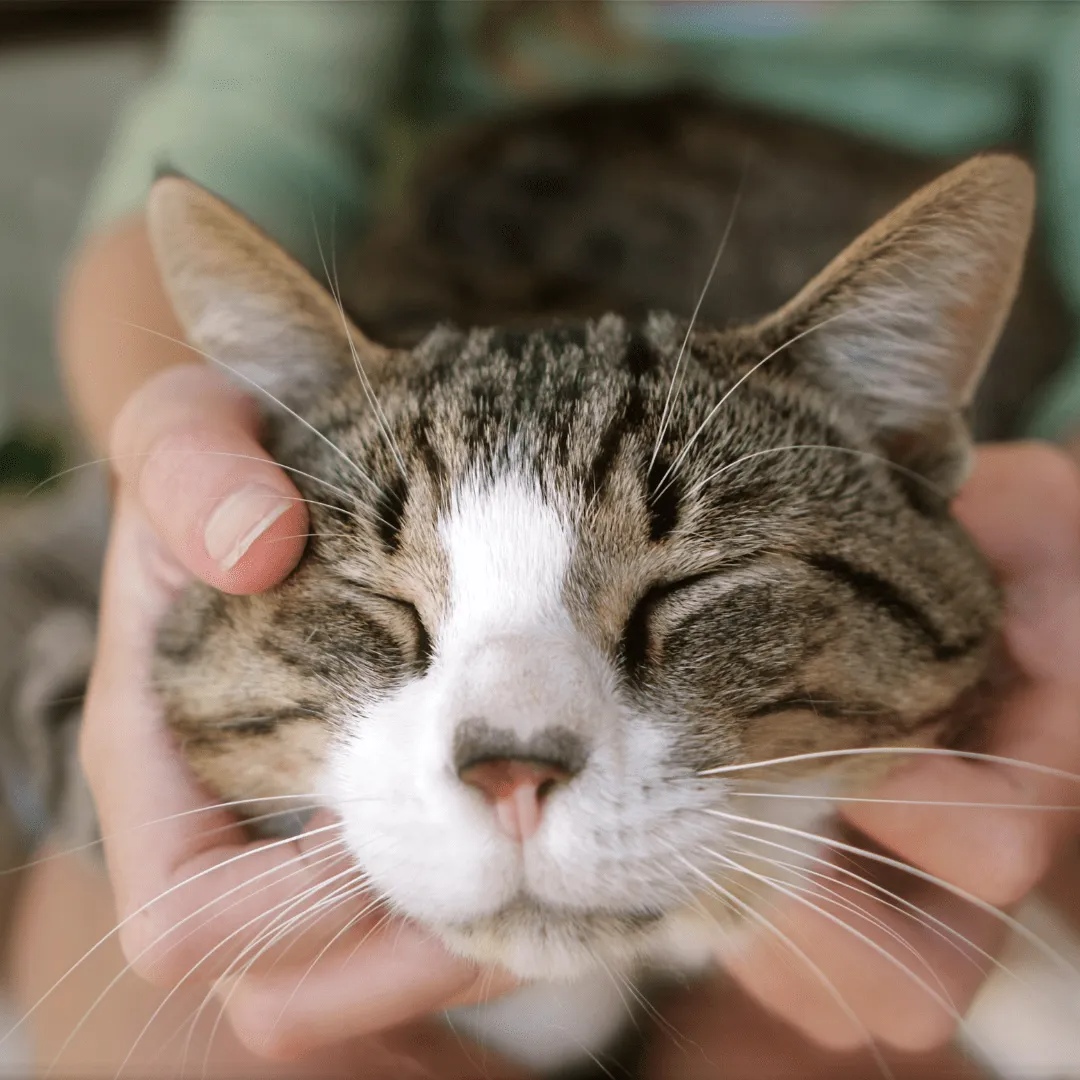
Tabby cat with closed eyes being gently held by hands, close-up portrait
September 29, 2026
Talking About How To Make Cats Happy And The Month-Long Holiday That Promotes Cat Happiness The month of September is celebrated by cat lovers everywhere as Happy Cat Month! Never heard of Happy Cat Month? Then you’re in luck because Cool Cats Professional Cat Sitting has you covered! This article will cover everything you need to know about Happy Cats Month, how to celebrate it, and some of the best ways to keep your cat happy. What Is Happy Cat Month? So what is Happy Cat Month? Happy Cat Month is a month-long holiday that aims to inform and educate cat owners about how to make their cats healthy and happy. It’s a common misconception that cats are self-sufficient pets. While most cats do have an independent nature, they are still very social creatures. Cats need lots of love & attention just like any other pet. Happy Cat Month is a friendly and celebratory way to educate people about the welfare, health, and importance of our feline friends.
A wildcat behind a wire fence, looking through the bars with one paw raised.
September 29, 2026
Covering Two Very Important Pet-Themed Holidays That Focus On Shelter Animals And The Struggles They Face The month of September contains several pet-themed awareness based holidays. Two of the most significant of these holidays are Adopt A Less Adoptable Pet Week and Remember Me Thursday. Both of these holidays are centered around shelter animals and the struggles they face. This article will discuss both of these holidays and offer various ways you can observe them. Adopt A Less Adoptable Pet Week The 3rd week of September is widely celebrated by pet lovers everywhere as Adopt A Less Adoptable Pet Week. This year (2023) Adopt A Less Adoptable Pet Week takes place from September 18th to September 24th. This week-long holiday was founded by PetFinder , an online searchable database of animals that need homes. Additionally, PetFinder also has a directory of nearly 11,000 animal shelters and adoption organizations. These animal shelters and adoption organizations span across the U.S., Canada, and Mexico. Adopt A Less Adoptable Pet Week was founded to raise public awareness about shelter animals that are often overlooked. Most of these animals are overlooked based solely on appearance. However, just because an animal doesn’t look perfect, doesn’t mean they are not worthy of adoption. Additionally, this also applies to senior pets or pets with special needs. Many people believe it would require too much effort to care for a senior pet or special needs pet. Caring for these types of pets may not be easy, but it is still very rewarding and humbling to do so. Remember Me Thursday Remember Me Thursday occurs every year on the last Thursday of September. This year (2023) it will take place on September 28th. This pet themed awareness based holiday was founded in 2013 by Helen Woodward Animal Center of San Diego . The focus of Remember Me Thursday is to raise awareness about the importance of pet adoption and all of the shelter animals that are in need of a forever home. Remember Me Thursday has made a huge impact in the world since its founding in 2013. More than 190 countries have supported Remember Me Thursday along with over 700 different animal welfare organizations worldwide. Additionally, more than 330 million people have helped spread awareness about Remember Me Thursday across various social media platforms. What started as a pet-themed holiday has now become a worldwide movement to inspire change in shelter animals’ lives.